Deadly High-Speed Train Crash in Spain Strikes Eve of Planned Railway Strike
Key Points
- A high-speed train collision between state-run Renfe and private operator Iryo in Spain left 68 dead after central control mistakenly ordered a train forward into a stopped train following signaling f
- The tragedy occurred just one day prior to a planned 24-hour rail union strike that had demanded comprehensive safety measures following another fatal collision on the same corridor earlier this year.
- While high-speed rail usage surged 40% after deregulation, critical maintenance received only 16% of railway funding, highlighting structural neglect behind recurring transit disasters.
Summary A devastating high-speed rail collision in Spain has left at least 68 dead, triggering shockwaves and sharp scrutiny internationally—and drawing prominent coverage in South Korean media as public discourse connects the tragedy to broader concerns over rapid infrastructure expansion versus system maintenance.
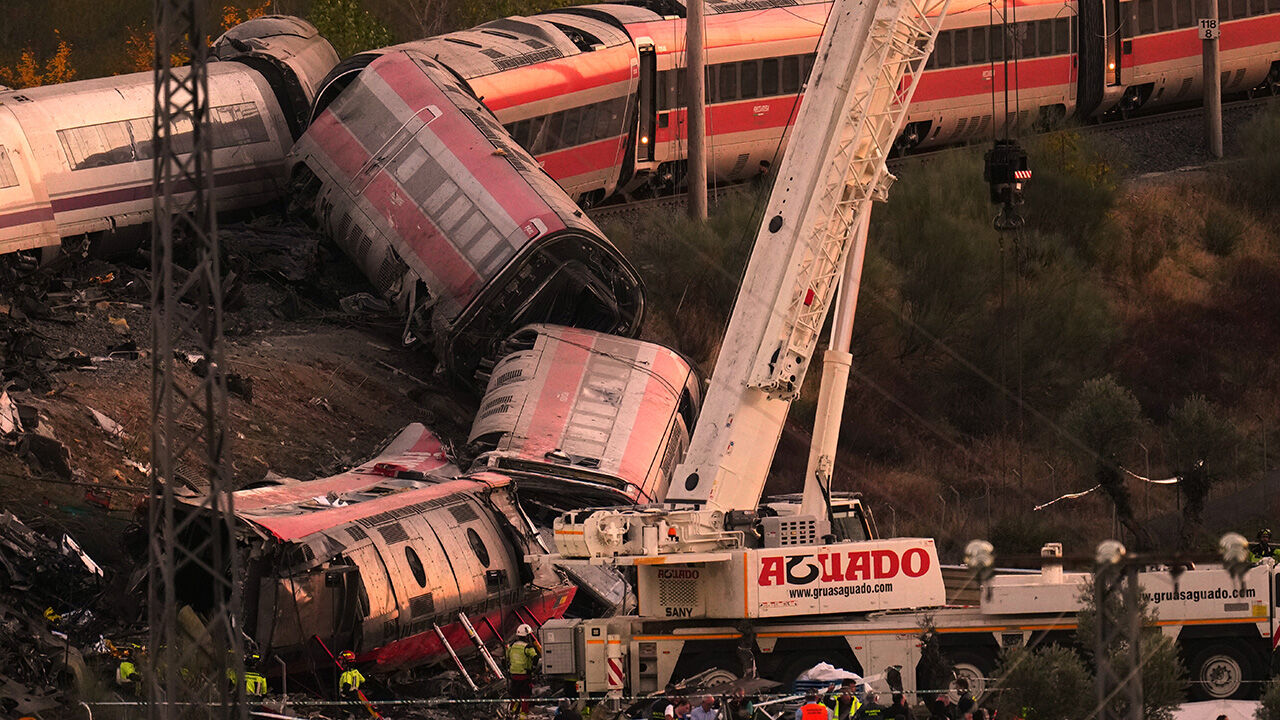
According to investigative findings, a computer glitch disrupted railway security and signaling systems between Madrid and Andalusia earlier that morning, forcing trains to halt along the tracks as an automated safety precaution. However, central traffic control unexpectedly ordered a train operated by the state-run rail operator Renfe to resume operation without issuing a speed reduction warning. The Renfe train collided directly into the rear of a stationary passenger train operated by private rail operator Iryo.
Spain's Minister of Transport, Óscar Puente, drew immediate outrage after labeling the event an "incomprehensible situation" and appearing to pin blame entirely on human error by traffic controllers. Public sector trade unions fired back furiously, accusing the transport chief of adopting a detached attitude ('yuche-yital', or out-of-body detachment) to dodge administrative culpability and turn frontline dispatchers into scapegoats.
Crucially, the disaster occurred just one day before a planned 24-hour rail strike called by Spanish rail unions demanding urgent safety interventions following a previous crash in January that killed 46 people. While Spain boasts Europe's largest high-speed rail network spanning roughly 4,000 kilometers, reports reveal that maintenance spending has lagged behind massive passenger growth. Despite annual high-speed rail network investments of about €1.5 billion, only 16% went toward maintaining aging corridors, sparking widespread debate about systemic structural failures behind recurrent tragedies.
Sponsored · Ad