Could Your Fridge Be Hacked? French Supermarket Cyberattack Sparks Smart Home Fears in South Korea
Key Points
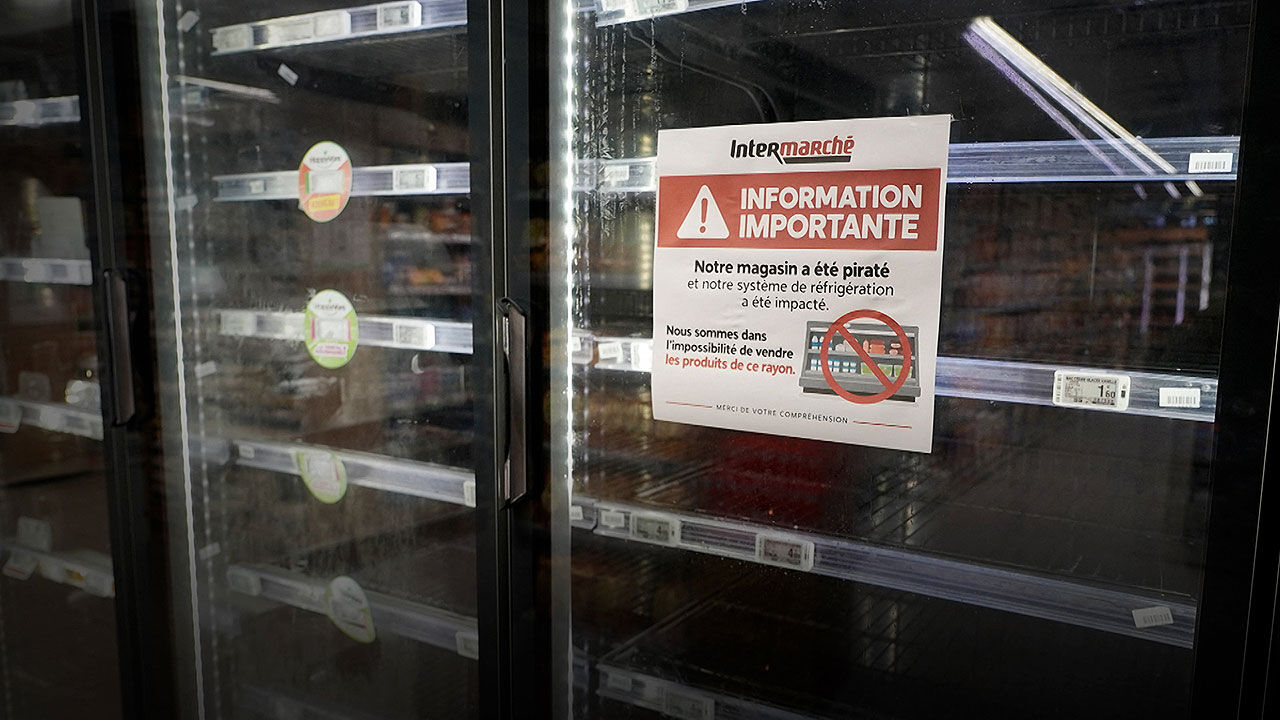
- A widespread cyberattack on roughly 700 French supermarkets caused refrigeration temperatures to spike to 50°C, raising international alarms over remote appliance management.
- In South Korea, where internet-connected home appliances are ubiquitous, consumers are increasingly anxious that household smart refrigerators could face similar cyber threats affecting food safety.
- The concerns follow previous domestic controversies involving hacked apartment wall-pads and smart device software glitches, putting pressure on tech giants like Samsung and LG to reinforce security.
Summary Following a massive cyberattack on commercial refrigeration systems across approximately 700 supermarkets in France, where temperatures were maliciously set to spike up to 50 degrees Celsius, South Korean consumers are growing increasingly anxious over the digital security of their own household appliances. Because South Korea is one of the most hyper-connected societies in the world, smart home ecosystems have become the everyday standard, making any news of IoT vulnerabilities hit remarkably close to home.
In South Korea, major tech giants like Samsung Electronics and LG Electronics have spearheaded the transition to AI-driven, internet-connected home appliances. Fridges, air conditioners, washing machines, and even kimchi refrigerators routinely connect to home networks to allow remote monitoring, diagnostic checks, and energy management. While Samsung and LG maintain that their products utilize proprietary security protocols and continuous monitoring to guard against external threats, recent high-profile incidents have left the public on edge.
The anxiety in Korea is deeply rooted in recent domestic security scares. South Korean apartment complexes famously suffered a major breach when home wall-pads—integrated touchscreens controlling front door cameras, lighting, and heating—were hacked, leading to private footage inside people's living rooms being leaked online. Furthermore, recent concerns over vulnerabilities in robot vacuum cleaner cameras and an incident last month where an erroneous software update disrupted certain Samsung refrigerators have further sensitized consumers. Although industry analysts clarified that the Samsung incident was an internal software distribution human error rather than a malicious breach, the cumulative effect has made consumers hyper-aware of digital risks.
The French supermarket breach targeted central remote management and control platforms rather than individual hardware units, demonstrating how vulnerable centralized networks can be. For Korean households, where food culture revolves around strictly temperature-controlled preservation—such as aging kimchi and storing fresh groceries—the thought of refrigerators being remotely hijacked and spoiled strikes at the core of daily food safety. As home appliances become increasingly digitized, South Korean consumers are actively demanding tighter safeguards to ensure that everyday convenience does not turn into an open door for cyber threats.
Sponsored · Ad