South Korea Convenes Inaugural Olympic Movement Agenda Forum to Shape the Future of Sports Governance
Key Points
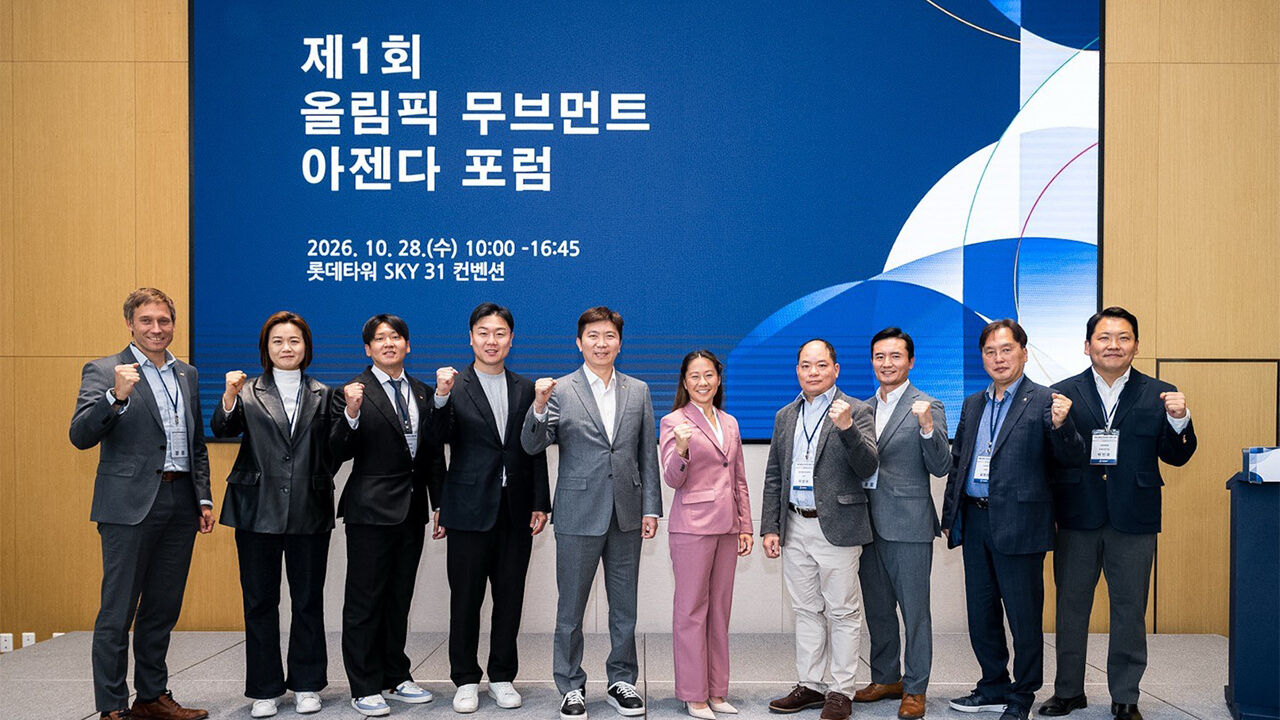
- The Korean Sport & Olympic Committee launched the first Olympic Movement Agenda Forum at Lotte World Tower in Seoul, aligning with the IOC's 'Fit for the Future' strategic roadmap.
- Around 100 key sports leaders and athletes, including KSOC President Ryu Seung-min and Olympian Won Yun-jong, met to discuss athlete rights, Olympic program reforms, and sustainability.
- The initiative marks South Korea's formalized effort to connect domestic sports policy with broader international Olympic developments on a recurring basis.
Summary The Korean Sport & Olympic Committee (KSOC) hosted the inaugural Olympic Movement Agenda Forum at the SKY31 Convention in Seoul's Lotte World Tower, bringing together around 100 domestic and international sports leaders to discuss the evolving landscape of global athletics.
The conference was established in alignment with the International Olympic Committee's (IOC) 'Fit for the Future' strategic vision, focusing on adapting national sports governance to modern global standards. The gathering included notable sporting figures such as KSOC President Ryu Seung-min, Ministry of Culture, Sports and Tourism official Kang Dae-geum, and International Sports Strategy Committee Chair Park Joo-hee.
Spanning four core thematic sessions, the forum explored critical structural issues: realizing Olympic values and institutional autonomy, establishing athlete-centered decision-making processes, reforming how Olympic sports programs are selected, and implementing sustainability initiatives across future games. Prominent speakers included Professor Lee Jung-woo from the University of Edinburgh, who addressed political neutrality and autonomy in sports, as well as IOC Athletes' Commission member Kim Bui and Korean Olympic bobsledder Won Yun-jong, who led discussions on athlete rights and representation. Later presentations by AISTS Executive Director Cedric Vanden Bogaerde and Kookmin University Professor Lee Won-jae examined program curation and ecological sustainability.
Highlighting the need for proactive engagement, President Ryu emphasized that South Korea must closely examine international shifts to assess how they impact athletes and sporting culture on the ground. Moving forward, the KSOC announced plans to institutionalize the forum as a regular fixture to maintain ongoing dialogue on global sports policy.
Sponsored · Ad