Anthropic CEO Claims AI Will Cure Cancer and Alzheimer's Within 10 Years
Key Points
- Anthropic CEO Dario Amodei stated in an IPO investor presentation that AI could make cancer, Alzheimer's, and heart disease 'relics of the past' within ten years.
- The forecast is gaining attention in South Korea as the country closely tracks frontier AI breakthroughs and their potential impact on healthcare and biotechnology.
- Anthropic has expanded into biotech by acquiring startups and opening a dedicated research laboratory in San Francisco, despite acknowledging public skepticism toward bold AI medical claims.
Summary In an ambitious vision shared ahead of Anthropic's initial public offering (IPO), CEO Dario Amodei declared that artificial intelligence could effectively eradicate major human afflictions, including cancer and Alzheimer’s disease, within the next decade.
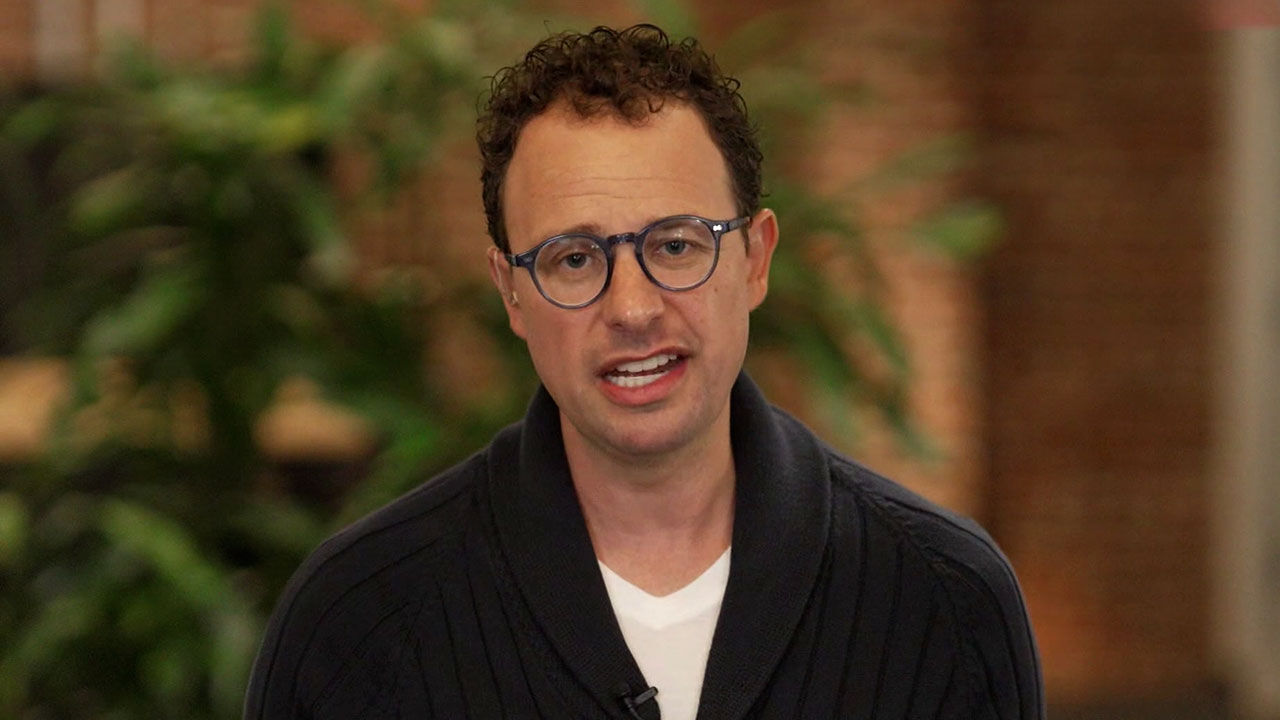
Speaking in an IPO investor roadshow video released on November 10, Amodei projected that diseases such as cancer, Alzheimer’s, heart conditions, and mental illnesses would become 'relics of the past' within ten years thanks to advances in AI. Anthropic has been aggressively expanding into drug discovery and biotechnology, having acquired multiple biotech startups and establishing an experimental laboratory in San Francisco to investigate how artificial intelligence can assist fundamental biological research. The company also confirmed in an October blog post that it had initiated proprietary drug discovery efforts.
The bold forecast has sparked significant discussion across South Korean media and tech communities. South Korea, known for its rapid adoption of cutting-edge technology and heavy investments in both IT infrastructure and biomedical sectors, closely tracks global developments in frontier AI models. In a country navigating an aging demographic where conditions like Alzheimer’s represent pressing societal concerns, promises of rapid medical breakthroughs resonate strongly with the general public.
However, the CEO himself acknowledged the skepticism often surrounding such grand claims. In an August post on X, Amodei noted that while the best way to convince AI skeptics is for tech firms to actually cure cancer, simply claiming that AI will cure cancer has become something of a cliché that many people view as deceptive. As tech giants seek public listings and massive valuations, observers in Korea and globally are watching closely to see whether AI-driven biotech research can translate bold rhetoric into clinical reality.
Sponsored · Ad