Diplomatic Rift Deepens After Ukraine's Surprise Disclosure of North Korean POW Repatriation, South Korean Envoy Testifies
Key Points
- South Korea's acting ambassador to Ukraine testified that both nations had mutually agreed to keep the repatriation of North Korean prisoners of war strictly confidential.
- Tensions flared after Ukrainian President Volodymyr Zelenskyy publicly revealed the repatriation during a UN General Assembly address without prior notice to Seoul.
- Despite the diplomatic fallout and South Korea recalling its ambassador, officials emphasize that the successful repatriation remains a major mutual achievement that requires delicate resolution.
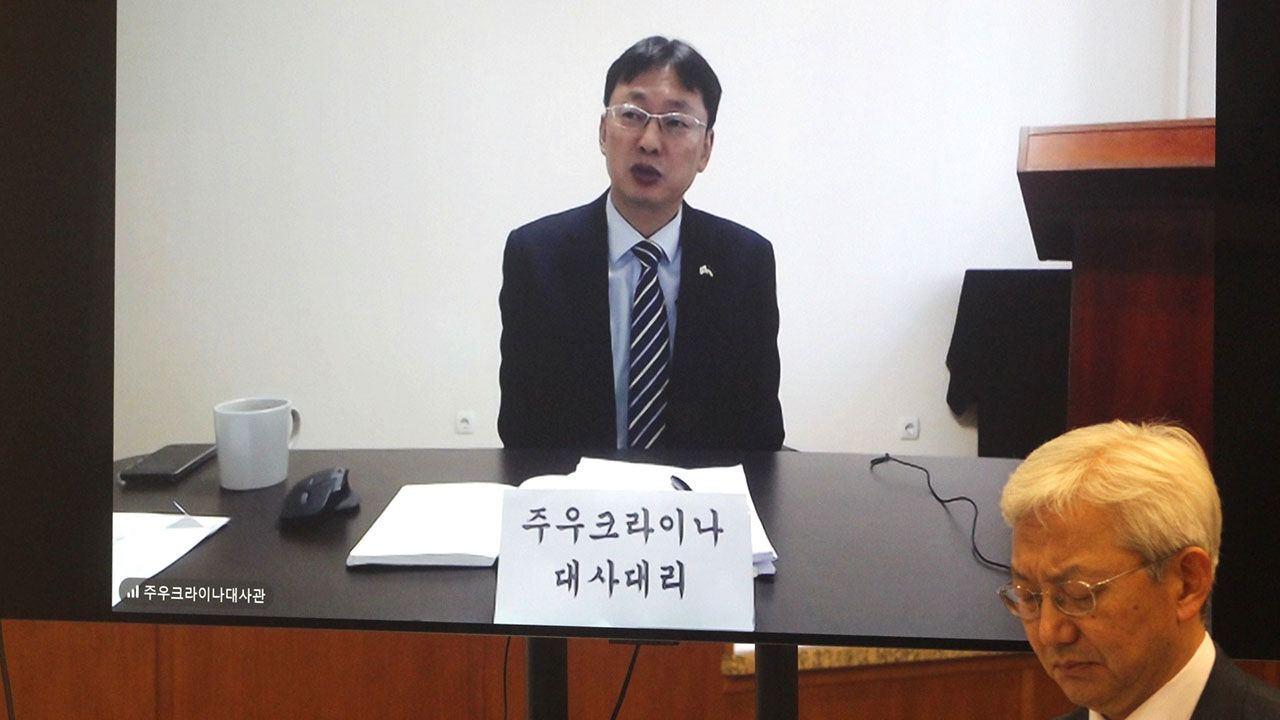
Summary During a South Korean parliamentary audit of the National Assembly's Foreign Affairs and Unification Committee, Yoon Ji-wan, the Chargé d'Affaires and Minister-Counsellor at the South Korean Embassy in Ukraine, testified regarding the diplomatic friction surrounding the repatriation of North Korean prisoners of war (POWs). Testifying via video conference from the South Korean Embassy in Poland, Yoon revealed that Seoul and Kyiv had an implicit consensus during bilateral negotiations to keep the repatriation of North Korean soldiers confidential for as long as possible, and that no prior timeline had ever been agreed upon for making the matter public.
The diplomatic fallout was triggered following Ukrainian President Volodymyr Zelenskyy's speech at the United Nations General Assembly on September 23, in which he publicly revealed that captured North Korean POWs were being repatriated to South Korea. According to Yoon, South Korean diplomats received no advance notice of this disclosure, and Kyiv has yet to provide a detailed explanation for why the information was made public. Following the address, Dmytro Lytvyn, an adviser to President Zelenskyy, denied the existence of any confidentiality pact, while Ukrainian Foreign Minister Andrii Sybiha virtually rejected Seoul's demands for an apology by calling the issue closed. In response to Kyiv's stance, the South Korean government recalled its Ambassador to Ukraine, Park Ki-chang.
Addressing questions about why the mutual agreement was not secured in formal writing, Yoon explained that committing diplomatic understandings to paper effectively elevates them to formal treaties, making it difficult to present public written evidence. Nevertheless, Yoon characterized the repatriation of POWs as an immense accomplishment for both countries. He noted that despite the recent discord, there remains a shared recognition between both governments that bilateral ties must proceed constructively on a foundation of mutual trust to wisely resolve the diplomatic friction.
Sponsored · Ad