Zelenskyy: Russian Strikes on Ukrainian Energy Grid Used North Korean KN-23 Missiles
Key Points
- Ukrainian President Volodymyr Zelenskyy stated that Russia used North Korean-made KN-23 ballistic missiles in overnight strikes targeting critical energy facilities.
- The revelation highlights growing international and South Korean security concerns over military cooperation and weapons transfers between Pyongyang and Moscow.
- Zelenskyy warned against a modern 'Yalta 2.0' partition agreement while urging allies to provide critical air defense interceptors to counter the barrage.
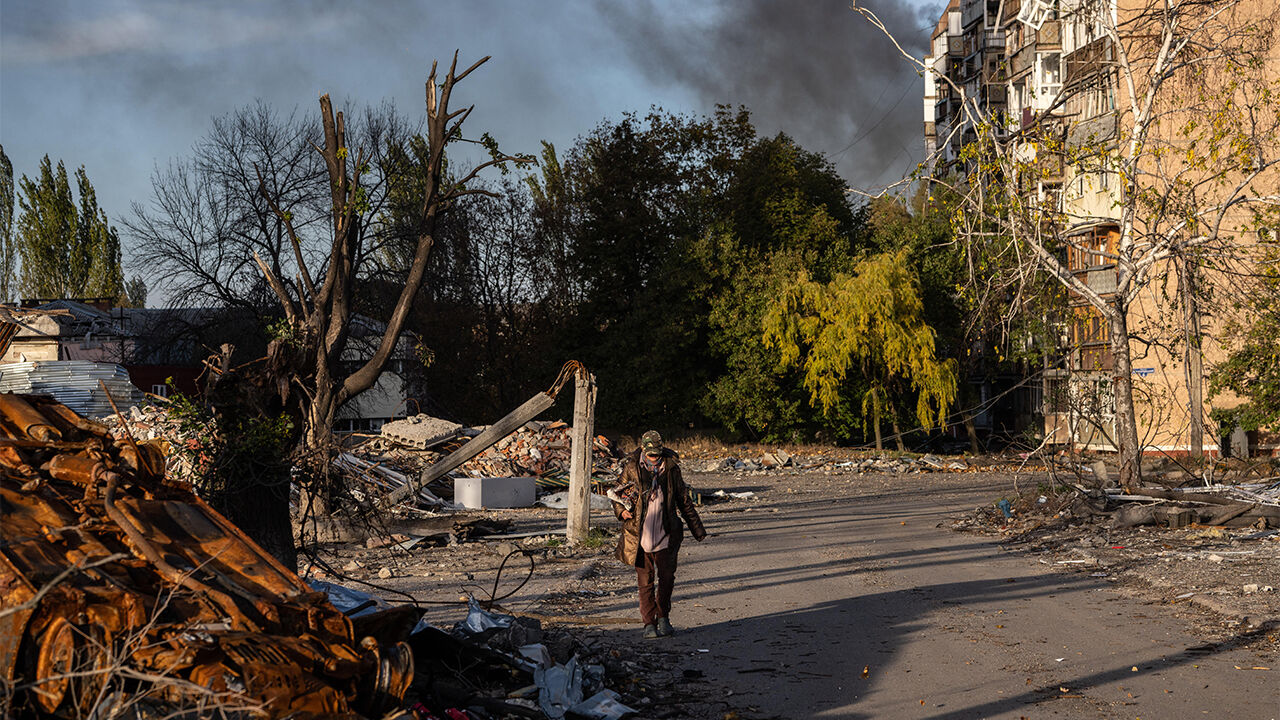
Summary Ukrainian President Volodymyr Zelenskyy reported that North Korean-manufactured KN-23 (Hwasong-11Ga) ballistic missiles were used in recent overnight Russian strikes targeting Ukraine's critical energy infrastructure. According to Zelenskyy, preliminary assessments confirmed the deployment of the North Korean missile against a major power facility, prompting him to call for intensified international sanctions against entities providing lethal military supplies to Russia.
The overnight assault saw Russia launch 36 missiles, with Ukrainian air defense managing to intercept only four, prompting Zelenskyy to renew urgent appeals to allies for additional Patriot air defense systems and interceptors. Ukrainian leadership assessed that Moscow is escalating strikes against civilian energy networks to apply pressure ahead of upcoming trilateral negotiations involving Ukraine, the United States, and Russia.
Beyond the immediate tactical threat, Zelenskyy raised concerns regarding potential diplomatic agreements being floated internationally, particularly discussions surrounding a broad European-Russian security framework. Drawing historical parallels, he cautioned against what he termed a 'Yalta 2.0,' invoking the historic 1945 Yalta Conference where Allied leaders reshaped post-war European borders, stressing that Ukraine will not accept partition orchestrated by foreign powers. For South Korea and global observers, the recurring confirmation of North Korean weapons in Ukraine highlights the deepened military collaboration between Pyongyang and Moscow and its growing geopolitical reverberations.
Sponsored · Ad