Criminalized Over a $1 Mistake? The Hidden Costs of South Korea's Unmanned Store Boom
Key Points
- Self-checkout kiosks and unmanned specialty shops across South Korea have triggered a sharp spike in inventory loss and accidental missed scans, leading to over 10,000 police theft reports in 2024.
- The issue is trending in Korea as high-profile legal rulings, including a Constitutional Court decision exonerating a student over an unpaid 1,500 KRW snack, expose the blurred line between honest hum
- Rather than eliminating labor, automation has fragmented work across different actors—turning shoppers into cashiers, store owners into CCTV investigators, and retail disputes into police and courtroo
Summary The rapid rise of self-checkout kiosks and fully unmanned storefronts across South Korea promised a frictionless future: retailers would cut labor costs, and customers would enjoy swift transactions. However, as the automated retail wave deepens, South Korean society is confronting unintended consequences that reveal the hidden costs of eliminating human staff.
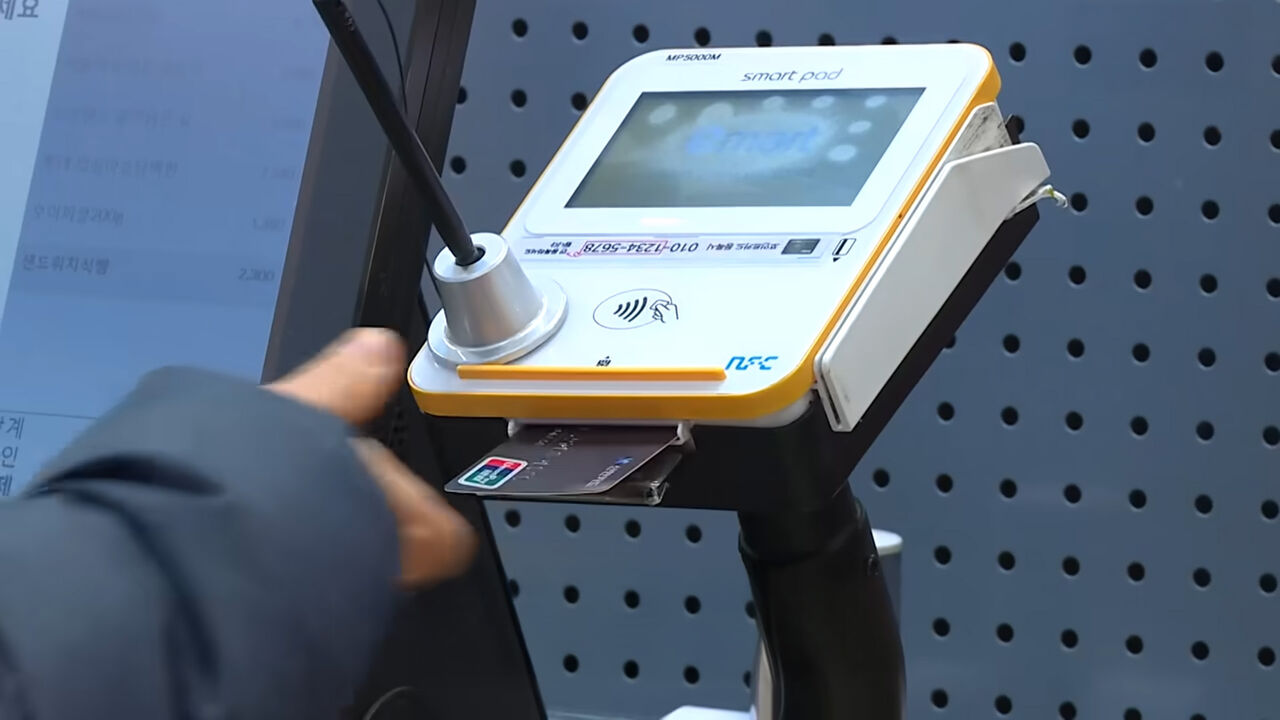
A major flashpoint in this transition has emerged in Korea's pervasive 'muin jeompo' (unmanned convenience and dessert shops), such as unmanned ice cream, snack, and stationery stores that operate entirely without onsite staff. In these low-cost setups, scanning and payments are left entirely to customers, while security relies almost solely on closed-circuit television (CCTV). When a missed scan occurs, determining intent becomes a complex legal and social battleground. In one notable case highlighted in 2025, a student retaking college entrance exams paid for four ice creams and a shopping bag with their personal credit card but inadvertently walked out without scanning a 1,500 KRW snack. While prosecutors initially issued a suspension of indictment for theft, the Constitutional Court unanimously overturned the decision, ruling that an honest oversight could not automatically be judged as criminal intent.
The article underscores that automation has not erased labor, but merely displaced and fragmented it. Tasks once handled instantly by an onsite cashier saying 'you missed scanning this item' are now shifted onto customers as self-labor, onto owners who spend hours reviewing surveillance footage from their smartphones, and onto police and courts tasked with sorting genuine mistakes from theft. Over 10,000 theft cases at unmanned stores were recorded in South Korea in 2024 alone, while overzealous owners have faced severe legal backlash—such as one proprietor fined 2 million KRW on child abuse and defamation charges after plastering surveillance photos of an 8-year-old child across the storefront.
This friction mirrors global retail pushbacks. Data from international studies, such as research by Professor Matt Hopkins at the University of Leicester analyzing 39 major retail chains, showed that store inventory losses jumped by an average of 22% in the first year after introducing self-checkouts, with missed scans accounting for up to 4.8% of transactions. Consequently, retailers worldwide—from Dollar General scaling back self-checkouts to Amazon shutting standalone cashierless Amazon Go locations—are rethinking full automation. In Korean superstores and convenience chains alike, workers have not vanished; instead, their roles have shifted from routine cashiers to on-the-ground trouble-shooters and monitors, proving that human intervention remains indispensable.
Sponsored · Ad