Cyclone Arnav Slams Southeastern India, Leaving At Least 6 Dead and Forcing 180,000 to Evacuate
Key Points
- Cyclone Arnav made landfall in India's southeastern state of Andhra Pradesh, causing at least six fatalities, widespread power outages, and damage to 32,000 hectares of crops.
- Korean media highlighted the disaster due to the scale of emergency operations, which displaced over 180,000 residents and prompted neighboring countries like Sri Lanka and Nepal to issue emergency ad
- The Bay of Bengal is historically vulnerable to deadly tropical storms around May and November, prompting massive preemptive evacuations informed by past catastrophes like Cyclones Sidr and Nargis.
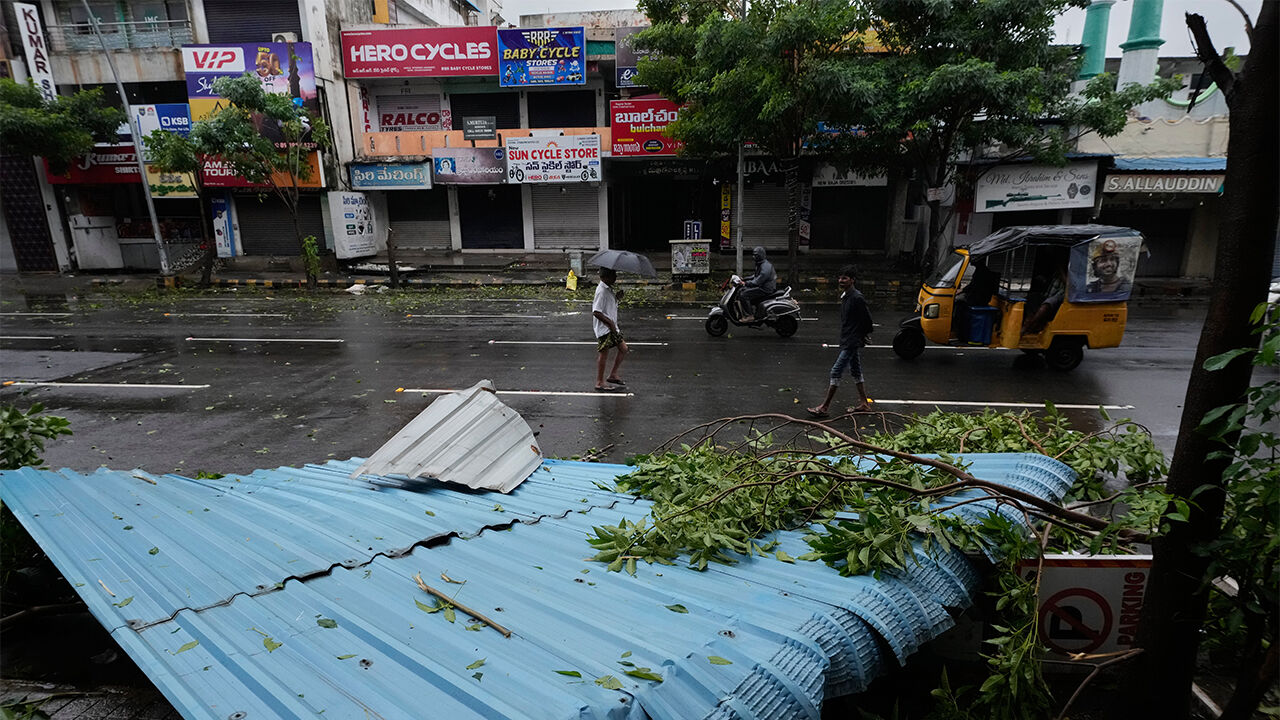
Summary A powerful tropical cyclone named Arnav made landfall along the southeastern coast of India, unleashing violent gales and torrential rain that have left at least six people dead and triggered mass evacuations across multiple states. Formed over the northeastern waters of the Bay of Bengal, the storm struck Andhra Pradesh on October 28, causing severe destruction across 14 coastal districts. State authorities confirmed fatalities resulting from electrocution and falling trees, while Indian media outlets such as The Times of India reported local estimates suggesting the death toll could reach nine.
The tempest inflicted heavy damage on local infrastructure and agriculture. Approximately 32,000 hectares of cropland were inundated or ruined, dozens of residential structures collapsed or suffered structural damage, and an estimated 15,000 utility poles were snapped by raging winds. Andhra Pradesh Chief Minister N. Chandrababu Naidu confirmed in an official statement that emergency response crews worked rapidly to restore power across most affected areas, though districts such as Konaseema and West Godavari faced longer outages due to widespread grid failure.
Anticipating the cyclone's destructive path, regional authorities orchestrated large-scale preventive operations. Roughly 180,000 residents living in flood-prone lowlands and vulnerable coastal settlements across Andhra Pradesh and neighboring Odisha were evacuated to emergency shelters. Regional transport networks grounded to a halt, with widespread school closures, cancelled rail services, and grounded commercial flights. The cyclone's meteorological impact rippled across South Asia: neighboring Sri Lanka ordered a nationwide shutdown of schools, and authorities in Nepal warned travelers and trekkers to avoid high-altitude mountain excursions due to unpredictable weather disturbances.
The Bay of Bengal is historically one of the world's most perilous breeding grounds for tropical cyclones, typically peaking during pre-monsoon and post-monsoon transition periods around May and November. The funnel-like geography of the bay and dense coastal settlements make regional communities uniquely vulnerable to extreme weather events. Memory of catastrophic past cyclones looms large over regional disaster management: in 2007, Cyclone Sidr devastated coastal Bangladesh, claiming over 3,000 lives, while Cyclone Nargis in 2008 resulted in an estimated 138,000 deaths and missing persons in Myanmar. As a result, modern regional protocols emphasize aggressive early evacuations to mitigate casualties whenever a system like Arnav approaches.
Sponsored · Ad