Japan Reaffirms Support for ICC Despite U.S. Sanctions Pressure
Key Points
- Japanese Prime Minister Sanae Takaichi expressed deep concern over new U.S. sanctions targeting the International Criminal Court, asserting Japan's ongoing commitment to the international rule of law.
- The stance is especially notable as Washington urged defense-dependent allies to cooperate, while Tokyo previously faced domestic criticism for appearing hesitant to defend ICC President Tomoko Akane,
- The diplomatic clash follows the awarding of the Nobel Peace Prize to former ICC judge Navi Pillay and ongoing Russian pressures against ICC officials, placing Japan at the intersection of internation
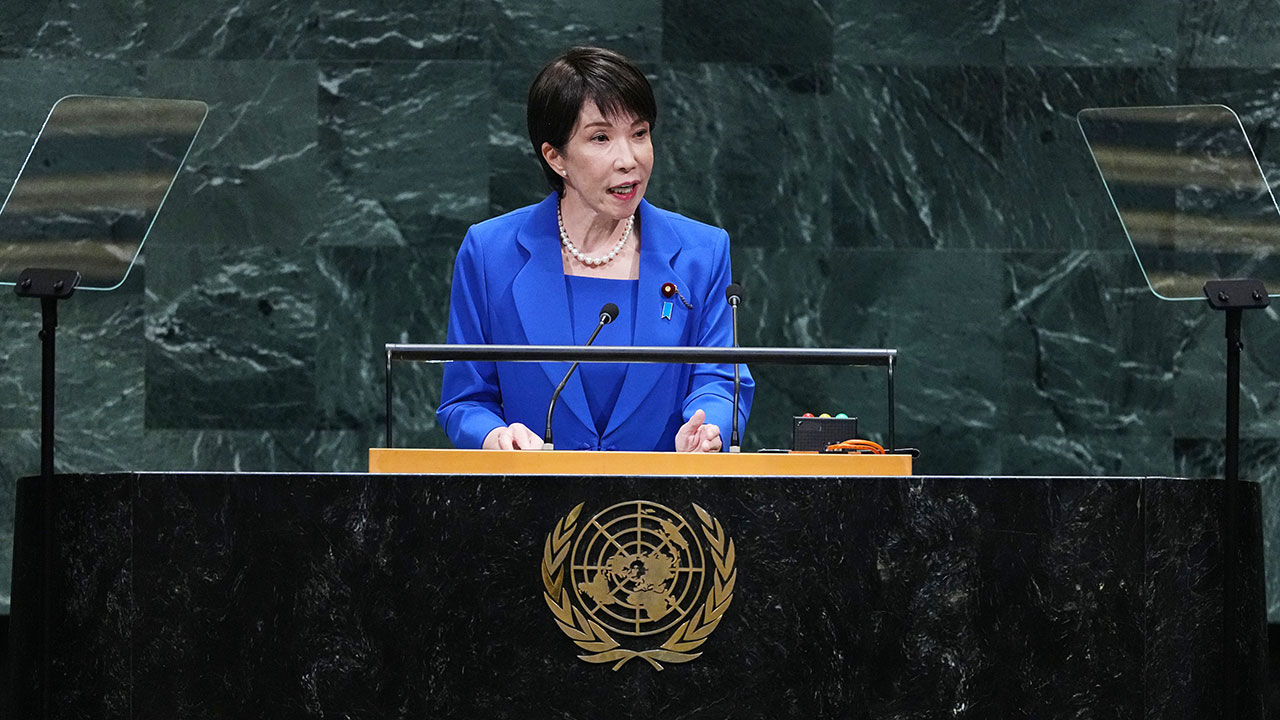
Summary In a notable foreign policy maneuver, Japanese Prime Minister Sanae Takaichi publicly expressed "deep concern" over the Donald Trump administration's sweeping sanctions against the International Criminal Court (ICC). Taking to social media on October 10, Takaichi emphasized that Japan steadfastly upholds the international rule of law and firmly supports the ICC in carrying out its mandate, underscoring that the aggressive unilateral measures from Washington do not align with Tokyo's consistent diplomatic principles.
The timing of Prime Minister Takaichi's statement drew widespread international scrutiny. Her remarks were issued shortly after the Trump administration unveiled aggressive sanctions targeting the Hague-based court—a move that directly followed the awarding of the Nobel Peace Prize to former ICC judge Navi Pillay. The White House had explicitly called upon its global partners, pointedly referencing "allies that rely on the U.S. military for defense," to cooperate with the sanctions regime. In opting to defend judicial independence over immediate alignment with Washington's dictates, Japan took a principled stand despite hosting significant U.S. military deployments.
This decisive response marks a sharp shift from earlier hesitations. When the U.S. initially sanctioned ICC personnel in August—including ICC President Tomoko Akane, a prominent Japanese jurist—Takaichi faced severe domestic backlash from opposition lawmakers and local media for offering only muted regrets and appearing overly deferential to Washington. Furthermore, with Moscow also targeting President Akane by demanding her extradition from the Netherlands, Japanese leadership found itself under mounting pressure to protect its nationals and defend global judicial norms against dual superpowers.
Looking ahead, Takaichi reaffirmed that Japan will maintain active communication with ICC President Akane and international partners to ensure the court retains its proper authority and institutional safeguards. Through close diplomatic dialogue between Japanese Foreign Minister Toshimitsu Motegi and U.S. Secretary of State Marco Rubio, Tokyo aims to convey its stance while navigating the precarious tightrope between preserving its foundational security alliance with the United States and championing the multilateral rule of law.
Sponsored · Ad