European Supermarket Freezers Sabotaged to 50°C in Bizarre Cyberattack Wave
Key Points
- Hackers remotely breached commercial refrigeration systems across multiple European supermarkets, pushing internal temperatures up to 50°C and ruining vast stocks of chilled food.
- The incident gained significant attention in South Korea as an alarming and unusual form of cyberattack that crippled ordinary grocery stores without demanding any ransom.
- Security experts and European officials suspect state-sponsored hybrid warfare designed to disrupt civilian food logistics amid heightened geopolitical tensions.
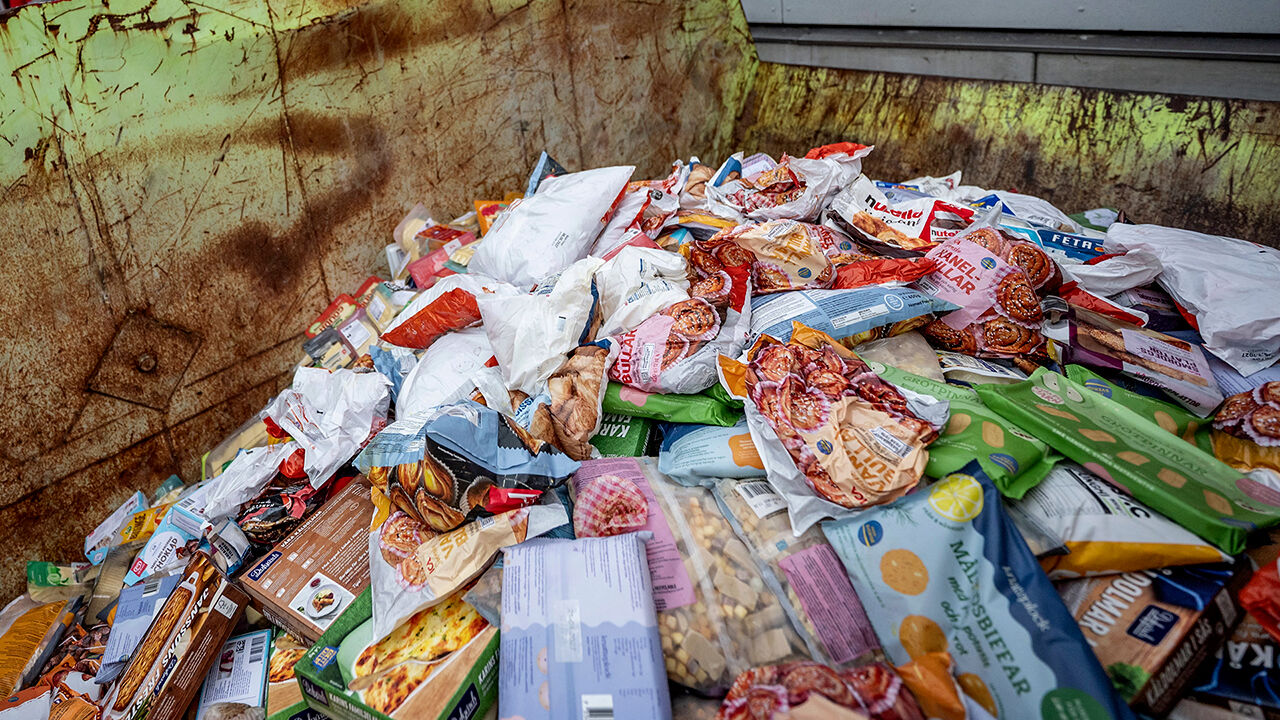
Summary Supermarkets across Europe are grappling with unprecedented chaos following a wave of coordinated cyberattacks targeting their commercial refrigeration systems. According to European reports, automated cooling and freezing systems across multiple grocery chains were hijacked remotely, with attackers manipulating digital controls or forcing defrost cycles to drive internal temperatures as high as 50 degrees Celsius (122 degrees Fahrenheit). Instead of preserving fresh goods, the compromised units turned into impromptu heaters, spoiling massive quantities of perishables and forcing retail staff to dump cartloads of food into garbage bags.
The disruption hit supermarkets in Belgium, Italy, Sweden, Finland, and at least four other European nations between the evening of November 1 and the morning of November 2. In Belgium alone, dozens of locations across an unnamed supermarket chain were affected, along with 15 Carrefour outlets. One store manager highlighted the absurdity and severity of the attack, showing freezers that had warmed to over 20 degrees Celsius rather than maintaining their intended minus-20 baseline. This incident closely mirrors a similar attack that struck more than 700 supermarkets in France just weeks earlier, where the perpetrators also vanished without claiming responsibility or demanding a ransom.
Cybersecurity analysts and European authorities view the event with growing alarm, framing it as an attack on critical civilian food supply infrastructure. Security specialists pointed out that while commercial refrigeration controls are vital to daily food logistics, their operational security has historically been overlooked, leaving them vulnerable to disruptive intrusion. Because the attackers made no financial demands, analysts suggest the campaign was likely orchestrated or sponsored by a nation-state entity aimed at generating confusion and economic damage, noting an uptick in hybrid warfare tactics across Europe since the outbreak of the Russia-Ukraine war. The European Union has condemned the attacks as a calculated effort to disrupt food supply chains, prompting emergency response meetings among affected member states.
Sponsored · Ad