UN Human Rights Envoy Warns North Korean POWs' Families Face Retaliation After Identities Exposed in South Korea Repatriation
Key Points
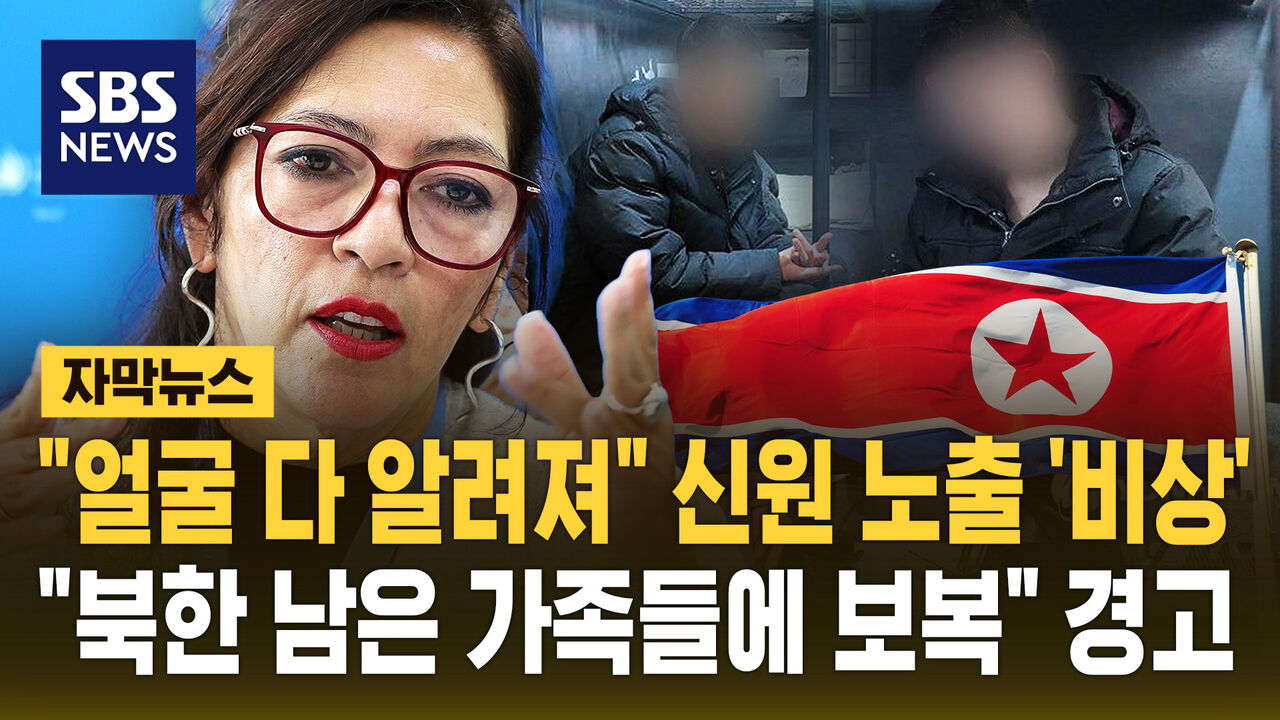
- UN Special Rapporteur Elizabeth Salmón warned that public exposure of repatriated North Korean POWs' identities threatens the safety of their families remaining in North Korea.
- Two North Korean soldiers captured by Ukrainian forces arrived in South Korea after 20 months of captivity, but their faces were widely circulated following public announcements by Ukrainian leadershi
- The UN envoy stressed that international humanitarian and human rights standards must be strictly observed to protect prisoners from exposure that triggers severe collective retaliation in the North.
Summary A United Nations human rights envoy has raised serious concerns regarding the safety and identity exposure of North Korean prisoners of war (POWs) who were recently repatriated to South Korea. Elizabeth Salmón, the UN Special Rapporteur on the situation of human rights in North Korea, warned that the widespread public dissemination of their identities and images poses grave risks, particularly severe retaliatory threats against family members remaining in North Korea.
According to a report released ahead of an upcoming interactive dialogue at the UN General Assembly, Special Rapporteur Salmón emphasized that international legal principles regarding the protection of prisoners must be strictly upheld. She noted that because the names and photographs of the captured soldiers were widely circulated in the media, serious questions have emerged regarding whether their basic rights and privacy under international law are being adequately respected. Salmón highlighted that in every stage of determining the fate of North Korean POWs, authorities must adhere to obligations under international human rights law and international humanitarian law.
The context surrounding the case involves two North Korean soldiers captured early last year by Ukrainian armed forces. After roughly one year and eight months in captivity, the two soldiers arrived in South Korea in the previous month. However, their capture had previously been announced by Ukrainian President Volodymyr Zelenskyy, which subsequently led to their faces and identifying information appearing widely across news broadcasts and online media.
In Korean society and inter-Korean affairs, the issue of identity protection for defectors, escapees, and captives is treated with utmost sensitivity. North Korea has a well-documented history of collective punishment—guilt by association—where family members and close relatives of individuals deemed deserters or defectors face forced relocation, detention in labor camps, or harsh reprisals by state security organs. As this case captures international and domestic public attention, the UN's formal intervention underscores the precarious tightrope between wartime public disclosures and the critical humanitarian obligations required to safeguard vulnerable individuals and their families back home.
Sponsored · Ad