Cracks Emerge in the U.S. AI Infrastructure Boom as Over 47 Data Center Projects Stall
Key Points
- At least 47 major U.S. AI data center projects have been delayed, canceled, or denied regulatory approval this year amid mounting construction and planning bottlenecks.
- South Korean media highlighted the development as global market watchers scrutinize soaring AI debt and local pushback against massive computing facilities.
- Industry executives and academic analysts warn that hundreds of emerging 'neocloud' operators could rapidly consolidate into just 7 to 10 surviving players as capital conditions tighten.
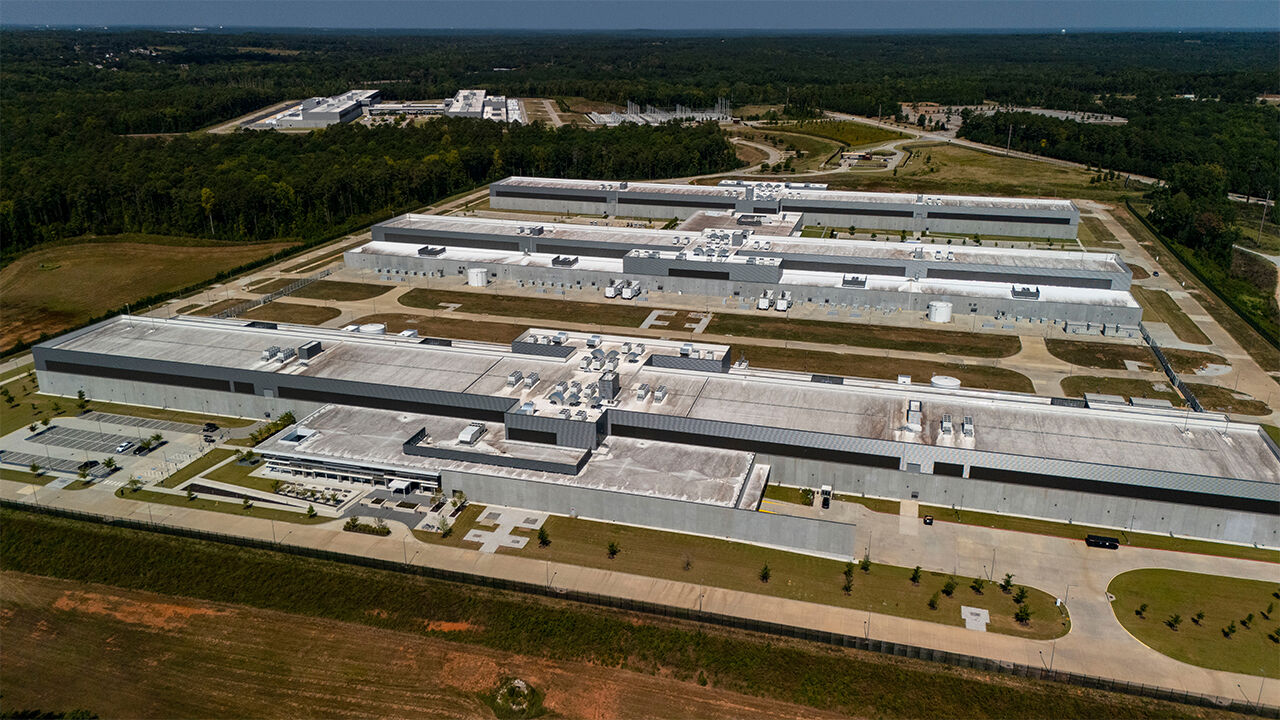
Summary The multi-trillion-dollar race to build out artificial intelligence infrastructure in the United States is running into significant friction, according to industry reports highlighted in Korean international economic coverage. Citing data from regulatory intelligence firm RegLayer, at least 47 major American data center projects have faced severe delays, outright cancellations, or blocked approvals this year alone. Industry analysts emphasize that this tally represents a conservative estimate focusing solely on the largest-scale enterprise initiatives.
Investment research underscores the growing skepticism surrounding the pace of development. Analysts at investment bank Bernstein recently estimated that only around 35 percent of currently planned U.S. data center projects are realistically viable. Beyond technical hurdles, community pushback has surged dramatically across the country; reporting by the Financial Times revealed that more than 1,000 local municipalities and communities across the U.S. attempted to introduce moratoriums or zoning restrictions aimed at curtailing rapid AI infrastructure expansion.
Financial headwinds are further compounding operational bottlenecks. Rising interest rates alongside tightening credit markets have strained specialized AI data center leasing and hosting operators—often termed 'neocloud' providers. High-profile players like CoreWeave have seen sharp stock declines and bonds trading in distressed territory, while prospective public listings from firms like SoftBank-backed SB Energy and Nvidia-backed Firmus Grid have been shelved or delayed. Even flagship megaprojects, such as the Oracle-backed Stargate project involving OpenAI and SoftBank, are battling construction schedule slips, while Anthropic is reportedly considering terminating a massive $45 billion arrangement with British provider Nscale.
Academics and industry insiders warn that the intense rush to secure compute capacity has mirrored a 'Wild West' atmosphere, where tech firms prioritized rapid deployment over conventional due diligence. Columbia Business School professor Stijn Van Nieuwerburgh highlighted in Brookings research that projected U.S. AI infrastructure spending from 2025 to 2032 could reach $10.3 trillion—surpassing 3.6 percent of annual GDP and eclipsing historical investment surges like the 19th-century railway boom or the early internet expansion. With heavy off-balance-sheet debt fueling this growth, tech executives anticipate an inevitable industry shakeout, predicting the current field of hundreds of neocloud startups will consolidate into just seven to ten dominant players in the coming years.
Sponsored · Ad