Chinese AI Rivals Target OpenAI's GPT-6 Astra in High-Tech 'Distillation' Extraction Surge
Key Points
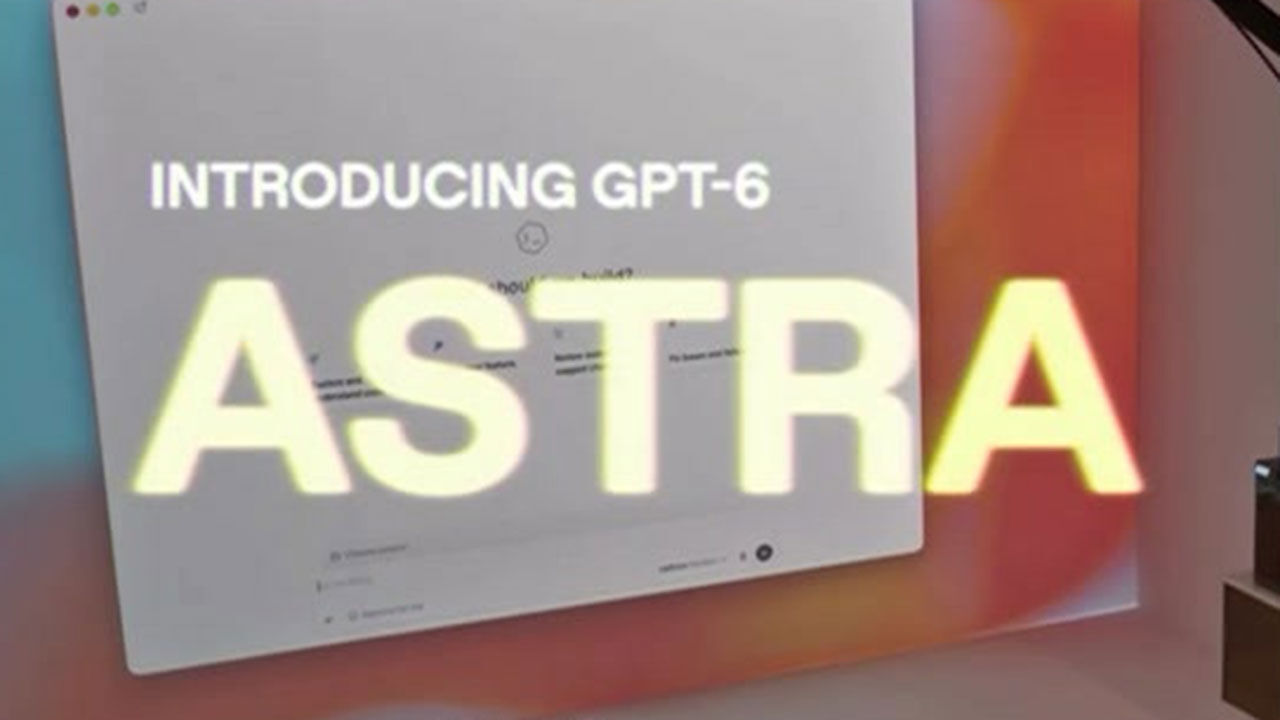
- Chinese tech firms DeepSeek and Moonshot AI have actively targeted OpenAI's GPT-6 Astra via automated 'distillation' attacks using thousands of fake accounts to clone its reasoning patterns.
- The trend is gaining intense traction across Korean news and tech channels as major Chinese developers pivot toward OpenAI following Anthropic's successful crackdown on model scraping.
- Although distillation is standard for internal model compression, external unauthorized distillation breaches terms of service and underscores escalating cross-border AI security tensions.
Summary Leading Chinese artificial intelligence firms DeepSeek and Moonshot AI have reportedly turned OpenAI's flagship model, 'GPT-6 Astra,' into their primary target for model "distillation," according to a report by tech outlet The Information citing industry insiders. Distillation refers to the practice of reverse-engineering an advanced AI's reasoning patterns and capabilities by bombarding it with queries through proxy networks and tens of thousands of fake accounts, allowing competitors to dramatically cut the time and capital required for model training.
According to sources, Moonshot AI distilled Astra during the development of its newly released 'Kimi K3.1 Pro,' while DeepSeek benefited from Astra distillation while engineering its 'V4.1-Flash 1017' model. The shift toward targeting OpenAI reportedly accelerated after Anthropic instituted rigorous technical defenses on its Claude models, including restricting direct access to Claude's internal reasoning chains and permanently banning tens of thousands of malicious bot accounts, which slashed unauthorized data extraction by 90% to 99%.
While knowledge distillation is a legitimate and widespread internal technique used by frontier labs like OpenAI and Anthropic to compress larger models into faster, lightweight variants, third-party distillation without authorization violates both companies' terms of service. With both Anthropic and OpenAI officially withholding their frontier models from the Chinese domestic market, foreign exploitation through proxy manipulation continues to fuel international friction. An OpenAI spokesperson confirmed that the company takes the extraction attacks seriously and is actively working on technical countermeasures.
Sponsored · Ad