Snubbed Climate Summit: World Leaders Face Backlash for Skipping COP31 in Türkiye
Key Points
- The 31st UN Climate Change Conference (COP31) opened in Antalya, Türkiye, but faces heavy criticism as most G7 leaders and major carbon emitters skipped the summit.
- The lack of participation from top polluters like the US and China has fueled skepticism in Korea and globally over the conference's ability to achieve meaningful progress.
- The latest Climate Change Performance Index left its top three spots empty, reflecting global frustration as most G20 countries fail to meet critical Paris Agreement targets.
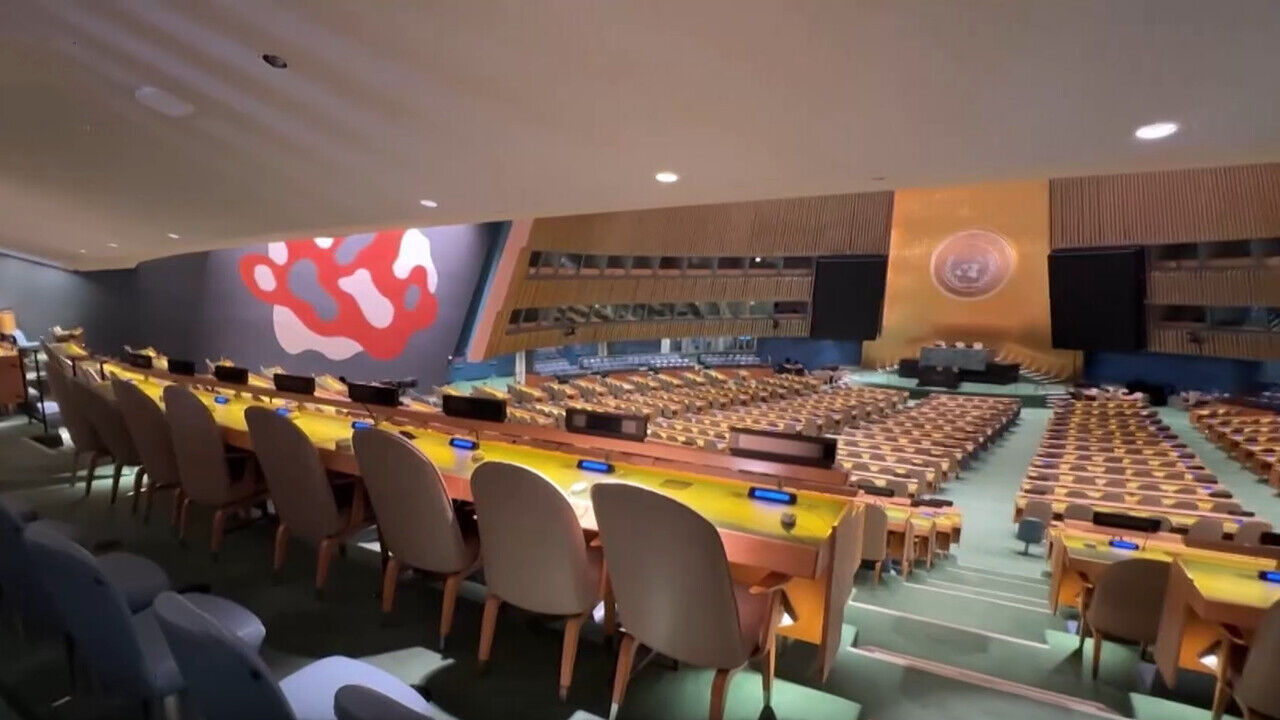
Summary The 31st United Nations Climate Change Conference (COP31) officially opened in the coastal city of Antalya, Türkiye, but the event is already being overshadowed by widespread international criticism regarding the notable absence of key world leaders. Despite the conference being hailed as a critical milestone for negotiating global climate action and emissions reduction, the heads of state from major carbon-emitting developed nations have largely bypassed the high-level summit.
Among the Group of Seven (G7) nations, the UK Prime Minister is the sole leader scheduled to address the plenary session, alongside European Commission President Ursula von der Leyen representing the European Union. In contrast, several prominent global figures are skipping the negotiations altogether. US President Donald Trump did not attend, following his administration's withdrawal from the Paris Agreement, which aimed to cap global temperature increases within 1.5 degrees Celsius above pre-industrial levels. Similarly, China's delegation is headed by Vice President Han Zheng rather than President Xi Jinping.
While leaders such as Turkish President Recep Tayyip Erdoğan, Brazilian President Luiz Inácio Lula da Silva, and Iranian President Masoud Pezeshkian are slated to speak—with Pezeshkian signaling plans to denounce environmental devastation linked to military conflicts—the lack of top-level representation from leading industrialized nations has cast a pall over expectations. Observers warn that concrete breakthroughs will remain elusive without genuine political will from the world's most significant historical polluters.
Compounding concerns, the newly released Climate Change Performance Index (CCPI) revealed that most G20 nations—which collectively account for over 80 percent of worldwide carbon dioxide emissions—are falling dangerously short of climate mitigation benchmarks. Underscoring the inadequacy of current global efforts to meet the Paris Agreement targets, evaluators left the top three spots of the CCPI ranking completely blank. Climate advocates, including Chiara Martinelli, Director of Climate Action Network Europe, emphasized that if global leaders genuinely wish to influence the transition toward clean energy, simply showing up at international summits is the bare minimum requirement.
Sponsored · Ad