Underdog World Series: Low-Payroll Teams Clash in Historic MLB Showdown
Key Points
- The Milwaukee Brewers advanced to their first World Series in 44 years to face either Cleveland or Tampa Bay, marking the first Fall Classic between bottom-half payroll teams since 1991.
- The matchup has sparked intense interest as massive spenders like the Dodgers, Mets, and Yankees were eliminated despite each outspending all three small-market finalists combined.
- The historic clash comes right before the expiration of the MLB collective bargaining agreement, fueling heated labor disputes between owners demanding a salary cap and players resisting it.
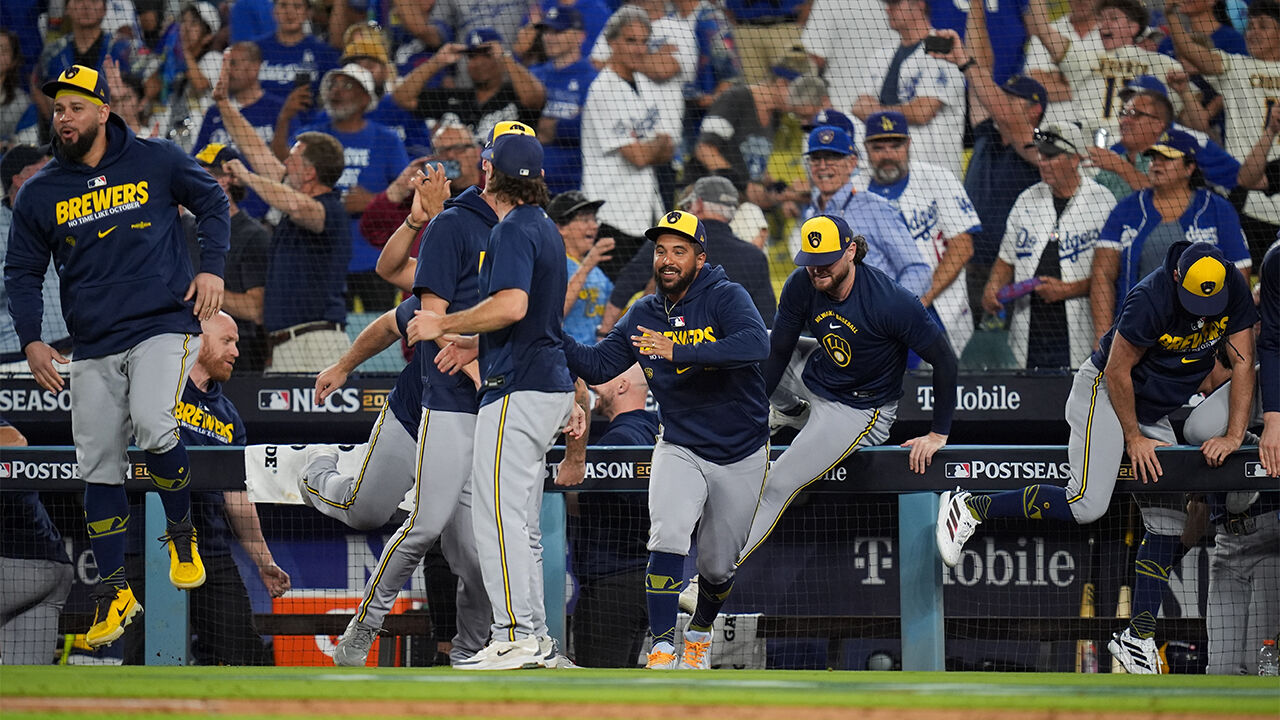
Summary For the first time in 35 years, Major League Baseball is set to witness a World Series showdown contested entirely by low-payroll teams, igniting major debates across the sports world and Korean baseball fans who closely follow MLB action. The National League pennant was captured by the Milwaukee Brewers, who punched their ticket to the Fall Classic for the first time in 44 years after dispatching the high-spending Los Angeles Dodgers in the NLCS. Milwaukee is slated to face either the Cleveland Guardians or the Tampa Bay Rays, both of which also operate on shoestring budgets relative to league heavyweights.
According to AP reporting, this matchup marks the first time since 1991—when the Minnesota Twins faced the Atlanta Braves—that both World Series contenders hail from the lower 50% of team payrolls. Meanwhile, the league's perennial financial powerhouses were entirely eliminated from contention. At the start of the regular season, the New York Mets ($358.4 million), Los Angeles Dodgers ($323.3 million), and New York Yankees ($320.8 million) dominated the top tier of league spending. In stark contrast, Milwaukee ranked 19th with a payroll of $125.9 million, Tampa Bay stood at 25th with $90.5 million, and Cleveland occupied the bottom spot at 30th with just $75.5 million. Remarkably, the combined salaries of all three small-market clubs do not even equal the payroll of a single top-spending franchise.
This clash of low-budget underdogs arrives at an exceptionally delicate moment, as the current collective bargaining agreement (CBA) between MLB team owners and the MLB Players Association (MLBPA) expires on December 1. Team owners have persistently pushed for the implementation of a salary cap—complete with salary floors—under the banner of competitive balance. The players' union vehemently opposes any cap, warning that failure to reach terms by December 2 could trigger an immediate lockout and disrupt the upcoming season.
While this World Series matchup appears to contradict owners' arguments that a salary cap is necessary to allow low-spending franchises to compete, MLB Commissioner Rob Manfred maintains that exceptional seasons do not disprove the underlying dynamic. Manfred pointed out statistical data indicating that large-market clubs still hold a vastly superior probability of advancing deep into the postseason. On the other side, union leaders like Bruce Meyer argue that ownership complaints regarding a lack of resources are baseless, while high-profile agent Scott Boras emphasized that while elite payrolls increase chances on paper, baseball is ultimately decided by execution on the diamond.
Sponsored · Ad