From Cargo to Comfort: Modular Container Hotels Take Off Across Hokkaido
Key Points
- Shipping container hotels are expanding across Hokkaido as private, cost-effective accommodations equipped with saunas and smart self-check-in systems.
- The model has gained momentum by slashing construction and staffing overhead while delivering strong occupancy from both business travelers and nature tourists.
- With modular units costing roughly 20 million yen that can be relocated as demand shifts, operators are already looking to expand into emerging industrial and data center hubs.
Summary Shipping container hotels are rapidly gaining traction across Hokkaido, Japan, emerging as an innovative hospitality model designed to cut down initial investment and operating labor costs. Once regarded primarily as temporary lodging on noisy construction sites, cargo containers are now being reimagined into stylish, private retreats nestled in nature, appealing to travelers looking for unique, eco-conscious getaways.
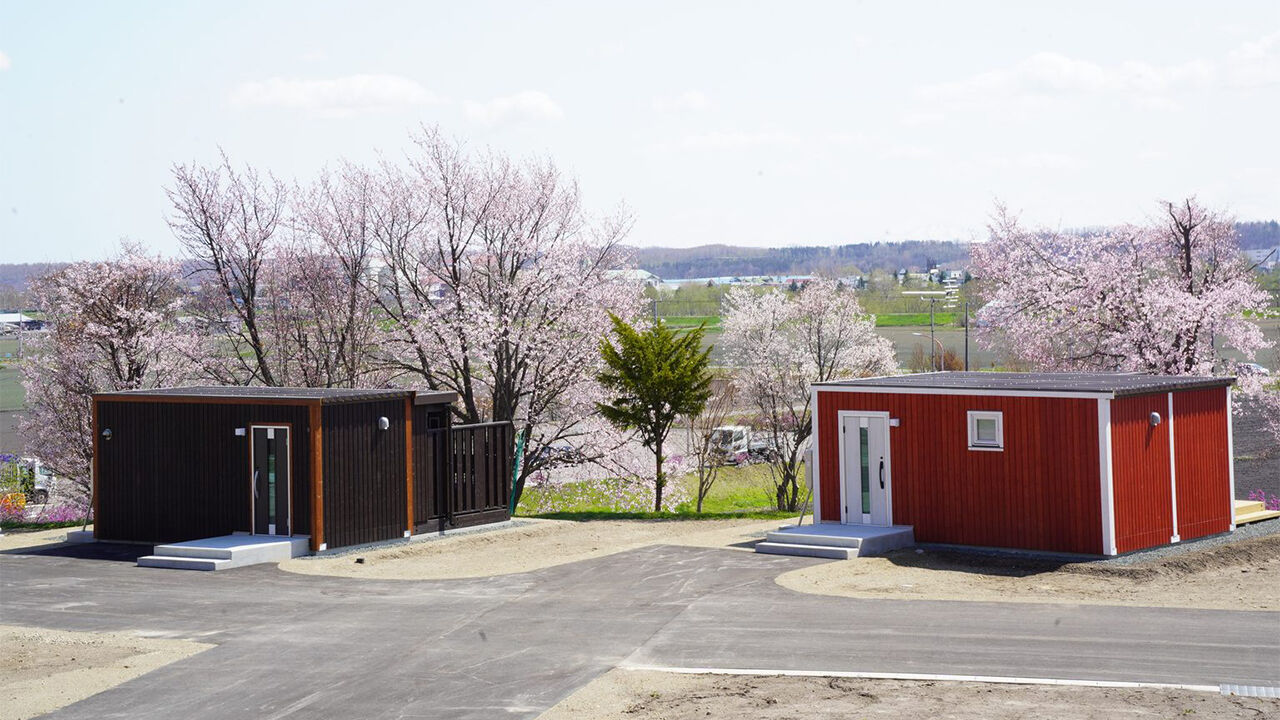
According to a report by the Nihon Keizai Shimbun, regional venture Punctual, based in Kochi Prefecture, is launching a trial run of a container hotel equipped with private saunas in Bihoro-cho, Hokkaido. Situated amid scenic outdoor landscapes, the initiative aims to draw outdoor leisure tourists and transform Bihoro-cho from a routine transit stopover into an attractive destination in its own right. The facility embraces smart hospitality trends by utilizing night-time unmanned operations and contactless self-check-in systems to slash overhead. Packages bundle barbecue dining, beverages, and sauna access, with trial rates set around 5,000 yen per person before regular rates jump to between 18,000 and 20,000 yen per night upon official opening. To cater to digital nomads and remote workers, an adjacent co-working space has also been established for extended stays.
Meanwhile, construction firm Takahashi Industry has been successfully running unmanned container hotels in Nakashibetsu-cho since 2022. The business model found unexpected momentum during the pandemic when many corporate satellite branches closed around Kushiro, creating steady lodging demand from traveling business professionals across eastern Hokkaido. The property boasts a strong average occupancy rate of 65%. Building each container unit costs approximately 20 million yen, and their modular nature allows units to be relocated easily should local demand shift.
By leveraging self-service check-in technology and outsourcing cleaning and housekeeping duties, Takahashi Industry managed to run operations with just a single dedicated staff member. This lean setup drove their hotel division's annual sales up 25% year-on-year to 44 million yen, delivering profit margins far surpassing traditional construction contracting. Spurred by this performance, the company is now eyeing expansion toward Chitose and Tomakomai, where major industrial hubs like semiconductor venture Rapidus and large-scale data centers are expected to bring an influx of visiting professionals and long-term tech workers.
Sponsored · Ad