Tensions Explode in the Middle East: Iran Strikes US Bases in Kuwait and Bahrain
Key Points
- Iran executed coordinated drone and missile attacks on American military installations in Kuwait and Bahrain, marking a significant intensification of regional conflict.
- South Korean media is monitoring this escalation closely, as the security of the Strait of Hormuz is critical to South Korea’s energy supply and maritime trade.
- These strikes follow recent US military airstrikes near Iran's Qeshm Island, suggesting a deepening cycle of retaliation that threatens the stability of the broader Middle East.
Summary The latest developments in the Middle East have sent shockwaves across the globe, with South Korean media outlets—including SBS—highlighting the rapid deterioration of regional security. On November 18, 2026, reports confirmed that Iran launched fresh attacks against US-allied targets in Kuwait and Bahrain. This escalation, occurring just months after previous hostilities, has moved beyond isolated skirmishes and into a volatile cycle of retaliatory strikes that has the international community—and Seoul—on high alert.
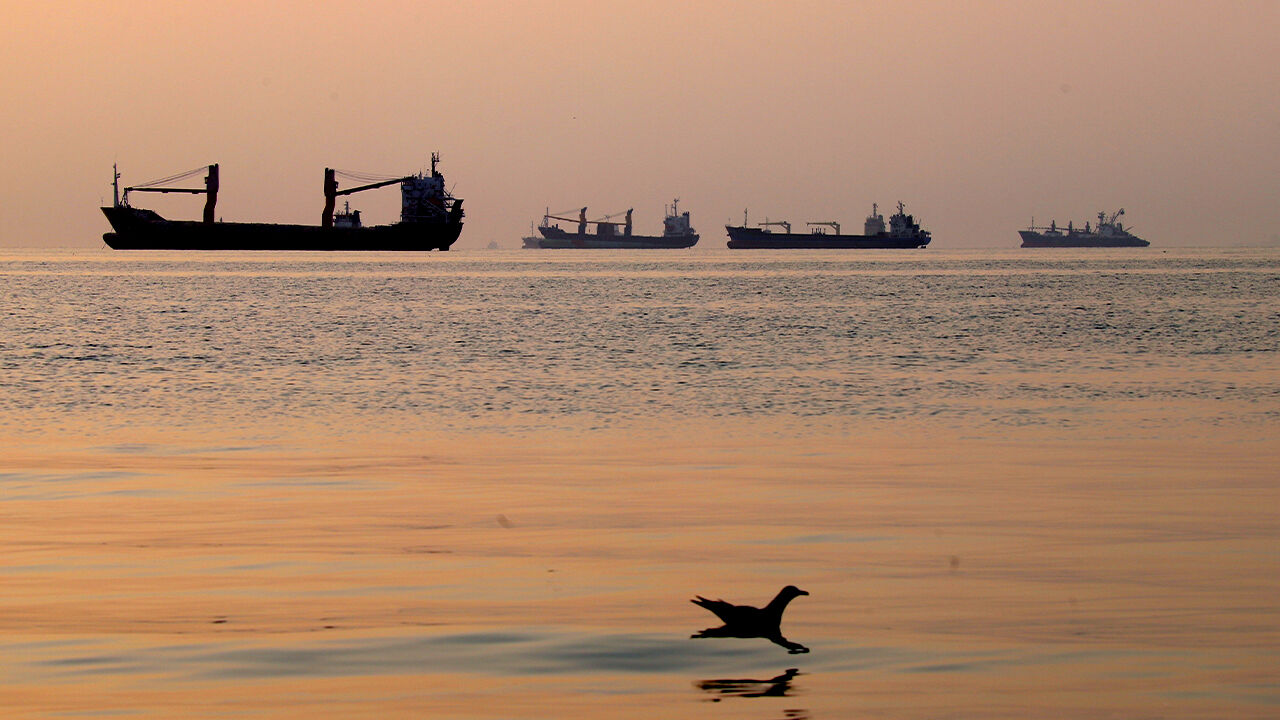
For international readers, it is important to understand why this story is dominating the news cycle in South Korea. While the conflict is geographically distant, South Korea’s economic stability is inextricably linked to the Middle East. As one of the world's leading manufacturing powers, South Korea relies heavily on imported crude oil and liquefied natural gas to fuel its industries. A significant portion of this energy supply passes through the Strait of Hormuz, a narrow and vital maritime chokepoint. When tensions in this region spike, the threat to energy supply chains is immediate, and the potential for a sudden surge in oil prices can disrupt the Korean economy overnight.
According to reports from the region, the latest attacks were multi-pronged. Iran targeted the Ali Al Salem Air Base in Kuwait with drones, while simultaneous reports from Bahrain indicated that the Bahraini military had to intercept incoming aerial threats. The sound of air defense systems and missile warnings rippled across Bahrain in the early morning hours, underscoring the severity of the situation. These actions appear to be direct retaliation for recent US military maneuvers; specifically, the reports note that the attacks followed US airstrikes near Iran’s Qeshm Island, which were launched after two vessels under US protection struck mines in the Strait of Hormuz.
The Korean public is watching these events with a mix of anxiety and scrutiny. On social media platforms and in news comment sections, the conversation is shifting from abstract geopolitical interest to concrete concerns about the domestic cost of living. In a society that is highly digitized and economically integrated into global trade, news of conflict in the Middle East is often parsed through the lens of \"how will this affect our gas prices, our export shipping costs, and our overall economic growth?\"
As the situation continues to unfold, the consensus among observers in Seoul is that the \"conflict front\" is no longer contained. The broadening of these hostilities to include US-allied nations like Kuwait and Bahrain signals that the era of contained, low-level proxy skirmishes may be ending, giving way to a more unpredictable and dangerous phase of direct confrontation. International observers and Korean analysts alike are calling for urgent diplomatic efforts to de-escalate, fearing that a protracted conflict will not only devastate the local region but will also destabilize global markets already grappling with complex energy demands.
Sponsored · Ad