North Korea and Russia Expand Bilateral Ties into Disaster Response with Historic Ministerial Visit to Pyongyang
Key Points
- A Russian delegation led by Emergency Situations Minister Aleksandr Kurenkov arrived in Pyongyang to discuss disaster management and establish a 2027–2029 joint action plan.
- This marks the first-ever visit by a Russian emergency situations minister to North Korea, illustrating how bilateral cooperation is expanding beyond defense into civil infrastructure.
- Disaster mitigation is a vital priority for North Korea following recurrent, severe summer flooding that has heavily affected the country's local infrastructure and food production.
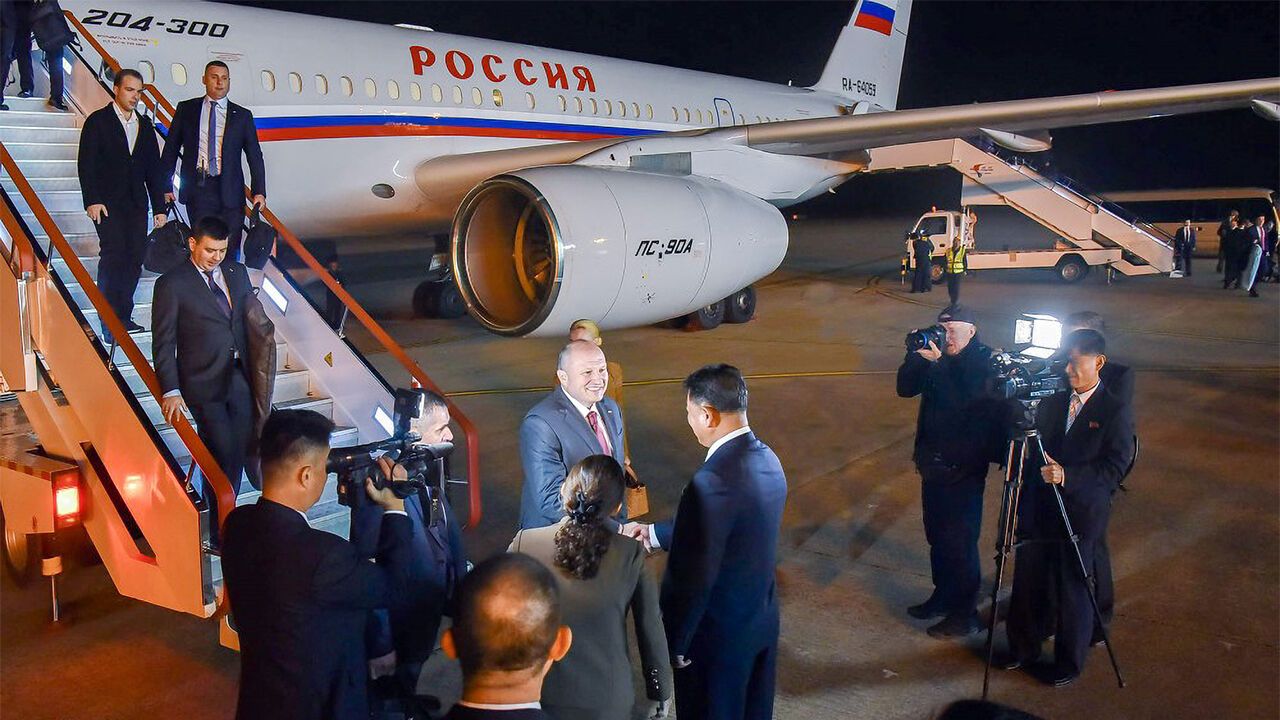
Summary A ministerial delegation from the Russian Ministry of Emergency Situations, led by Minister Aleksandr Kurenkov, arrived in Pyongyang to broaden cooperation with North Korea into disaster prevention and management. According to reports from the Korean Central News Agency (KCNA) and Russia's state-run TASS news agency, this visit marks the first time a Russian Minister of Emergency Situations has officially traveled to North Korea, signaling an expansion of bilateral ties beyond conventional political and military spheres.
Upon arrival at Pyongyang International Airport, Minister Kurenkov and his team were received by Kim Chol-nam, North Korea’s Minister of Land and Environment Protection / Disaster Prevention, alongside Vladimir Topeha, minister-counselor at the Russian Embassy in North Korea. High-level discussions are scheduled with top North Korean officials, including Premier of the Cabinet Pak Thae-song and Minister Kim Chol-nam, focusing on institutional coordination for emergency management, response techniques, and the signing of a joint action plan spanning 2027 through 2029.
This visit reflects deepening multi-dimensional ties following high-profile summits between the two nations held in September 2023 and June 2024. In recent years, both sides have steadily widened cooperation across scientific, technological, and civil defense disciplines. Last July, a Russian emergency delegation visited North Korea to inspect local disaster response infrastructures and assess training opportunities for rescue and firefighting personnel. Furthermore, Russian Prime Minister Mikhail Mishustin recently issued an executive order directing specialized rescue training programs for North Korean personnel at the Far Eastern Fire and Rescue Academy in Vladivostok, supported by an allocated budget of roughly 61.5 million rubles (approximately 1 billion KRW) over five years.
For North Korea, strengthening disaster management capabilities remains an urgent domestic priority. The country faces recurring vulnerabilities to natural hazards, particularly heavy seasonal flooding and typhoons—such as the devastating flood damage recorded in the summer of 2024—which severely impact agriculture and residential communities. By partnering with Russian emergency institutions, Pyongyang aims to modernize its rescue readiness, technical equipment, and disaster mitigation systems amid an evolving geopolitical partnership.
Sponsored · Ad