Hackers Crank French Supermarket Fridges to 50°C in Bizarre Cyberattack Across 700 Stores
Key Points
- A coordinated cyberattack hit around 700 French supermarkets overnight, remotely spiking refrigeration temperatures up to 50°C and ruining tons of fresh food.
- Major retail chains including Carrefour and Monoprix suffered millions of euros in losses due to obsolete cooling system software that lacked security updates.
- The bizarre attack captured headlines in South Korea as an alarming example of infrastructure vulnerability in everyday consumer retail.
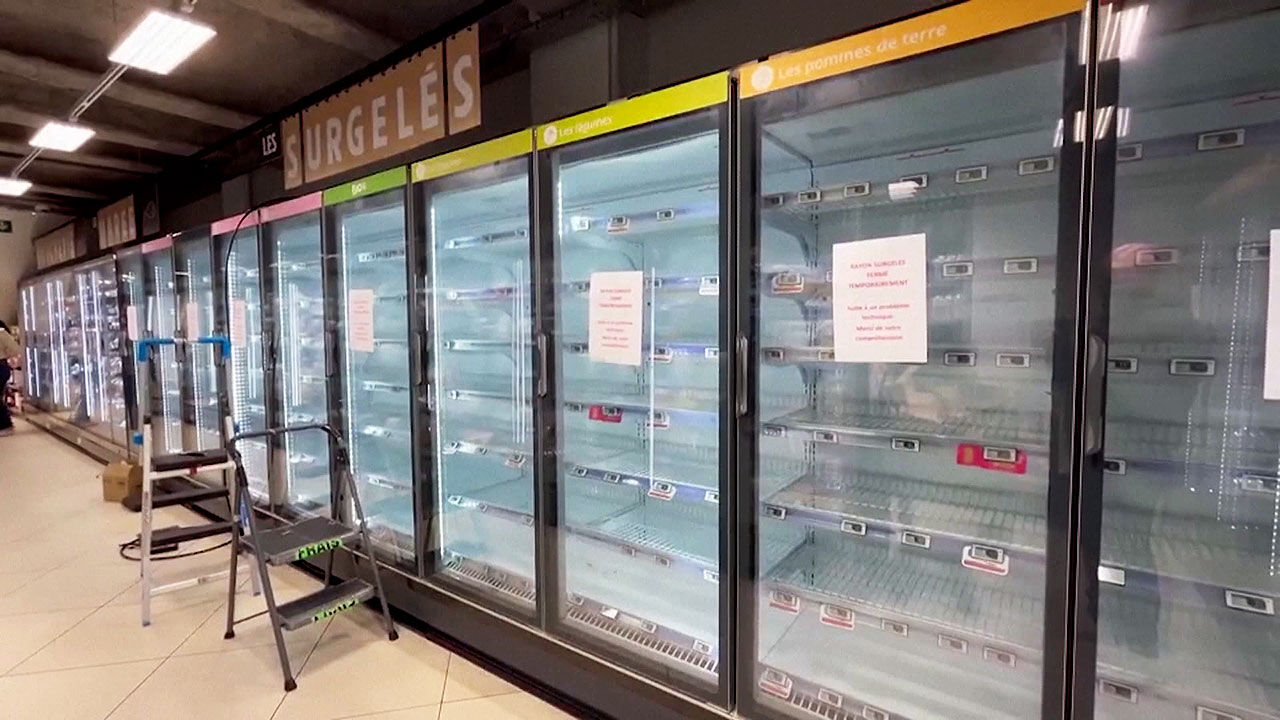
Summary In an unprecedented cyberattack that left grocery aisles completely emptied, roughly 700 supermarkets across France were targeted by hackers who remotely manipulated refrigeration units, sending temperatures soaring as high as 50 degrees Celsius (122 degrees Fahrenheit). The sudden and drastic heating ruined vast quantities of perishable stock, forcing stores to destroy entire inventories of fresh and frozen food.
The attack took place overnight between October 11 and October 12, hitting prominent French retail chains including Carrefour and Monoprix. Shoppers the following morning were greeted by bare freezer shelves, warning notices of technical disruptions, and frustrated staff tasked with discarding tons of spoiled goods. Store managers reported having to write off all fresh and frozen products across affected locations, with preliminary nationwide damages estimated between several million and tens of millions of euros.
According to technical reviews, the compromised cooling systems were manufactured by the Danish industrial firm Danfoss. The company clarified that the impacted refrigeration units were older legacy models that no longer receive official security patches or firmware updates. Meanwhile, the French Prime Minister’s office initiated an investigation alongside European partner nations to assess the broader vulnerability of commercial systems, though investigators note that no group has stepped forward to claim responsibility for the bizarre sabotage.
The bizarre incident gained immediate attention in South Korea, widely covered across mainstream broadcast networks like SBS. In South Korea—a country renowned for its highly digitized 'smart' infrastructure, ubiquitous high-tech marts, and ultra-cold logistics networks for fresh grocery delivery—the vulnerability of essential food storage systems to remote cyber intrusion struck viewers as both surreal and alarming, sparking discussions on the unseen vulnerabilities of connected consumer appliances.
Sponsored · Ad