Harvard Researchers Identify 'Youth Gene' That Slows Aging by 44% in Lab Trials
Key Points
- An international research team including Harvard University identified a gene that regulates cellular aging, restoring youthful traits in aged human skin cells.
- In tests on aged mice, the intervention slowed frailty progression by 44% and increased median survival time by 14%.
- While clinical human applications require further research, the discovery aligns closely with South Korea's widespread cultural and medical interest in longevity and 'slow aging.'
Summary A breakthrough international study co-led by Harvard University has uncovered a specific gene capable of controlling cellular aging, offering tantalizing clues into how science might one day slow down or even reverse the aging process.
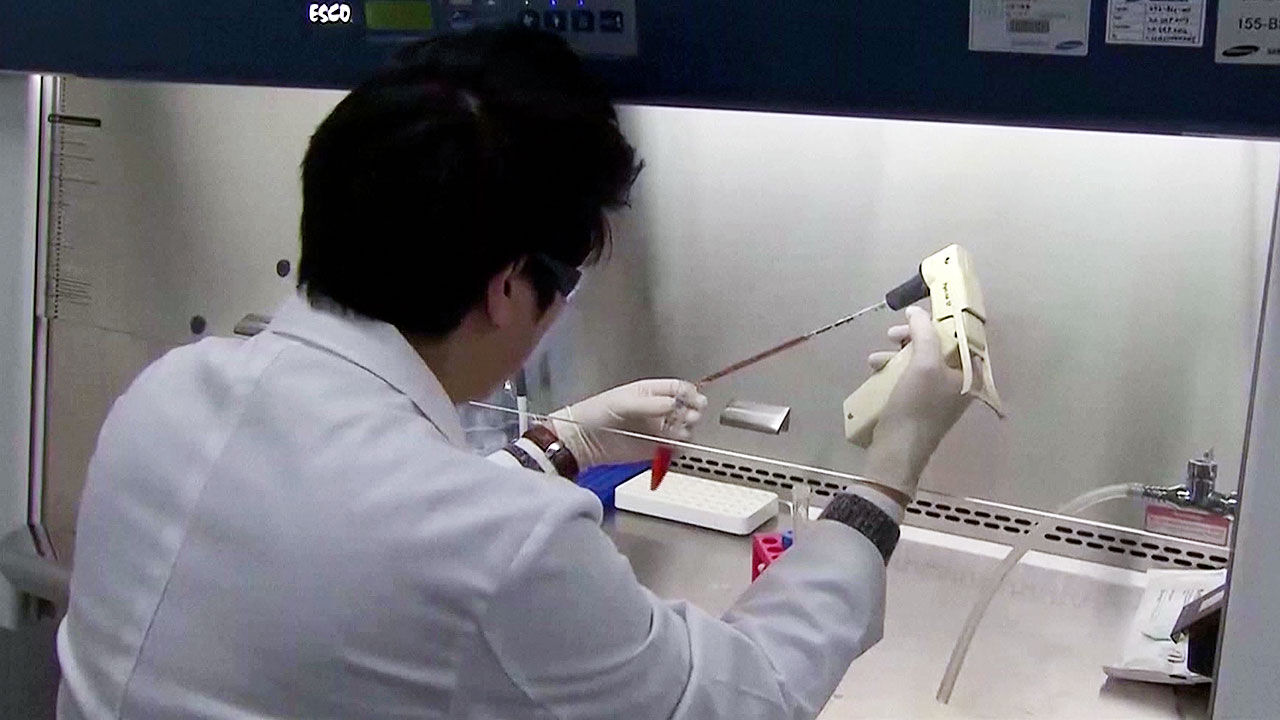
According to research reported on SBS News's Morning Wide, activating this specific gene in aged human skin cells resulted in a noticeable decrease in cellular senescence and inflammatory signaling, successfully restoring youthful cellular characteristics. In parallel animal trials involving aged mice, the progression of frailty dropped by 44 percent, while the median lifespan increased by 14 percent.
The findings have sparked strong interest in South Korea, where rapid demographic shifts and a booming wellness and anti-aging industry make longevity science a frequent topic of public fascination. South Korea is navigating one of the most rapidly aging populations in the world, leading to widespread societal interest in health longevity, skincare biotechnology, and regenerative medicine. The pursuit of "slow aging" (jeo-sok no-hwa) has recently evolved into a prominent lifestyle trend across Korean social media, spanning nutrition, preventative healthcare, and daily routines.
Despite the promising laboratory metrics, researchers and broadcasters emphasized cautious optimism. Because the study remains in the preliminary stages of cultured human cells and animal models, researchers noted that substantial additional clinical research and trials are required before these genetic interventions can translate into viable therapies or medical treatments for the public.
Sponsored · Ad