Wave of Hoax Bomb Threats Sparks Chaos Across European Airspace, Diverting Dozens of Flights
Key Points
- Coordinated bomb threats against more than 20 European commercial flights triggered emergency landings, diversions, and fighter jet escorts before being confirmed as hoaxes.
- The incident gained prominence in Korean international news as Reuters confirmed at least 27 flights were affected in a rapidly escalating wave of security alerts.
- Aviation and security experts suspect an organized campaign aimed at instilling anxiety and undermining trust in European transport safety amid ongoing hybrid security concerns.
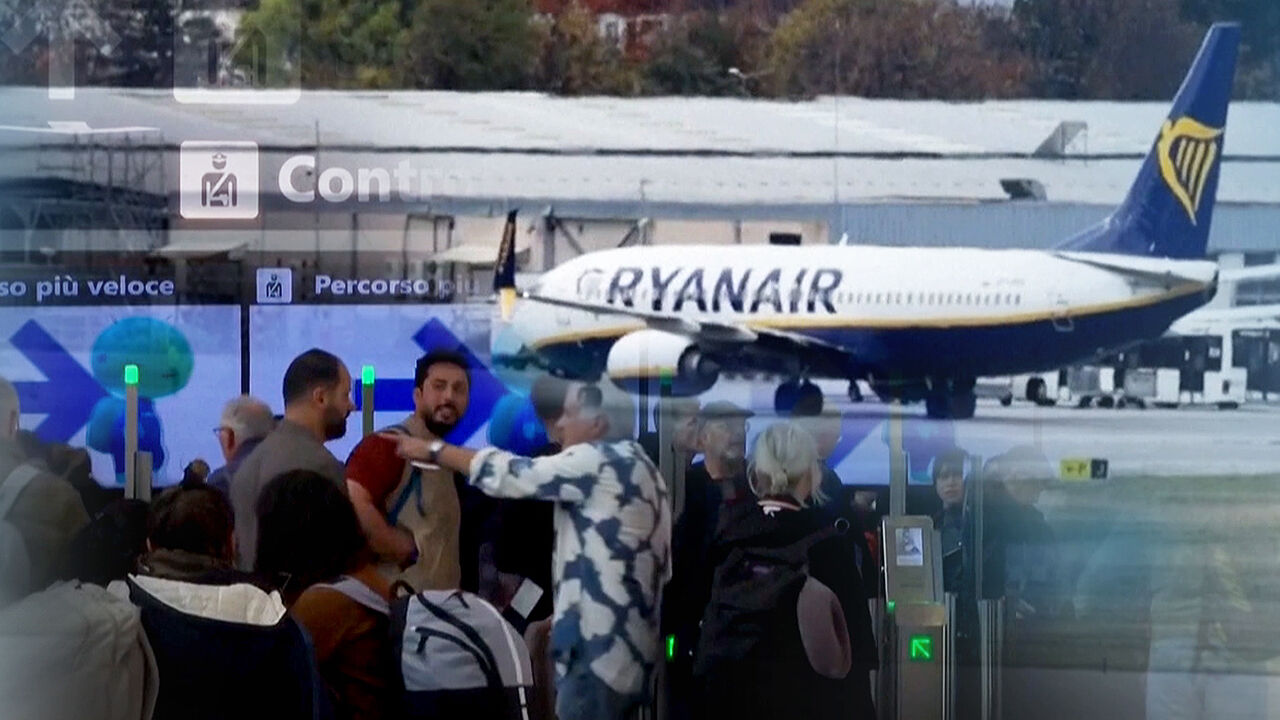
Summary European aviation faced massive disruption following a wave of simultaneous bomb threats targeting commercial flights across the continent, prompting fighter jet scrambles, emergency landings, and widespread route diversions. According to reports compiled by international outlets including Reuters, at least 27 passenger aircraft were affected in a single day, causing widespread alarm among travelers and aviation authorities.
In one alarming incident, Italian Air Force fighter jets were scrambled to escort a Finnish commercial airliner bound for Rome after authorities received an alert that an explosive device was on board. Upon landing, specialized units conducted an exhaustive search and confirmed the alert was a hoax. In another case, a flight carrying 151 passengers from Ireland to Rome circled European airspace before making an unscheduled emergency landing at a French military airbase. Similarly, a flight traveling from London to Sofia, Bulgaria, was forced to divert and land at an alternate Bulgarian airfield.
The incident marks the second coordinated threat wave within days, following a similar occurrence where seven European flights were targeted with bomb hoaxes. Military and security analysts noted that while no established terror organization has claimed responsibility, the synchronized timing points to deliberate and organized operations designed to induce panic and erode public trust in the reliability of European air travel. Investigators are also examining possible ties to broader hybrid disruption efforts, including recent cyberattacks on supermarket refrigeration systems across several European nations, though clear evidence confirming specific state-sponsored attribution remains unverified.
Sponsored · Ad