'I’d Rather Give Up the Refund': Korean Tourists Frustrated as Japan Overhauls Duty-Free Rules
Key Points
- Japan has officially shifted its duty-free shopping policy from instant in-store tax exemptions to an airport-based post-departure refund system.
- Korean travelers, who frequently buy small-dollar consumables like snacks, cosmetics, and over-the-counter medicines across multiple shops, find the time-consuming airport screening out of proportion
- Due to the risk of kiosk delays and customs bag inspections before check-in, many tourists are deciding to cut back on shopping or forgo duty-free refunds altogether.
Summary For millions of South Korean travelers, hopping on a short flight to Japan has long been synonymous with easy, budget-friendly shopping. From drugstore cosmetics and specialty snacks to over-the-counter pharmaceuticals, tourists have enjoyed point-of-sale tax exemptions simply by showing their passports at shop checkouts. However, a major overhaul to Japan's duty-free shopping policy is now stirring widespread frustration among Korean vacationers, with many declaring they would rather give up tax refunds altogether than navigate the new red tape.
Under Japan's newly implemented post-purchase refund system, travelers no longer receive instant discounts at the register. Instead, tourists must complete tax-refund verification at the airport before checking in and dropping off their baggage. Departures now require passengers to scan their passports at automated kiosks in the terminal lobby. While receiving a 'green' clearance signal means a smooth exit, a 'red' result flags the traveler for manual inspection at a customs counter, where they must present all purchased goods in person.
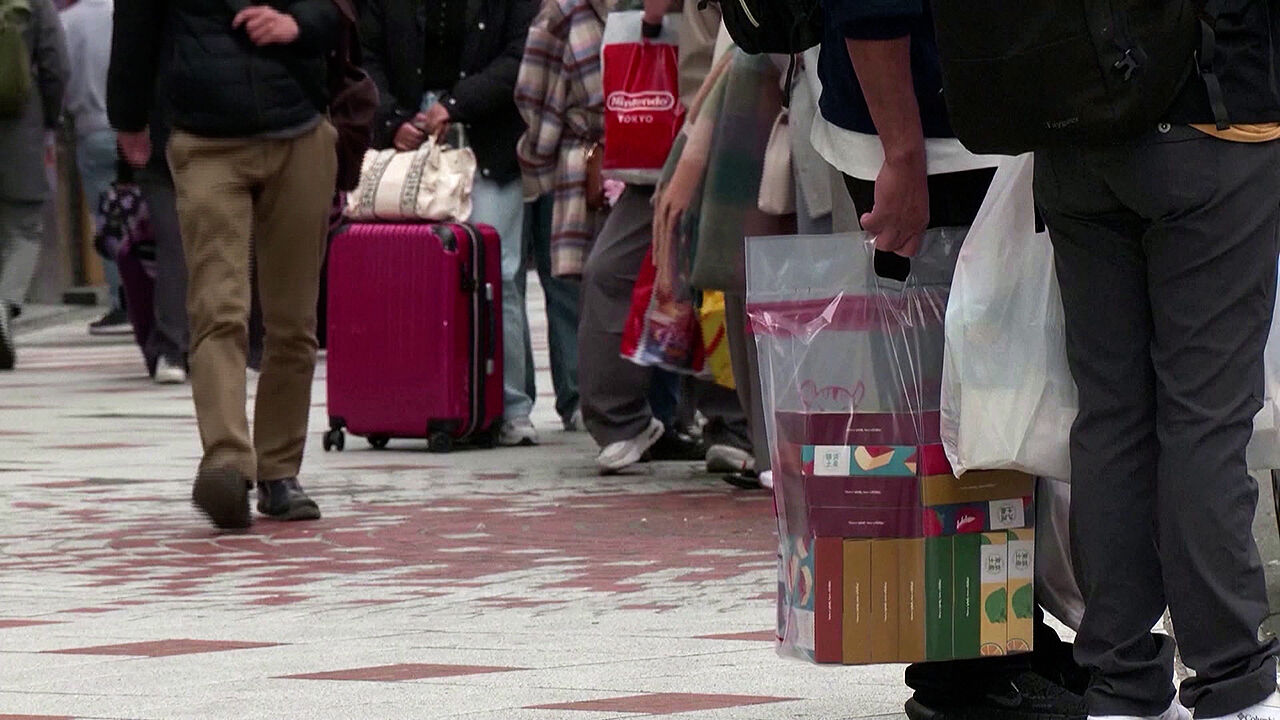
This shift presents a major logistical headache for typical Korean visitors. Unlike luxury shoppers purchasing high-ticket designer items in single transactions, Korean tourists commonly accumulate dozens of low-cost consumable goods—such as snacks, skincare products, and home remedies—across numerous small neighborhood retailers and discount chains like Don Quijote. Under the updated system, keeping small purchases separated, queuing at airport kiosks before bag check, and risking customs inspections for a refund worth only a handful of dollars creates disproportionate hassle.
As a result, online communities and travel boards are seeing travelers reconsider their spending habits. Many visitors report plans to significantly scale back retail shopping during trips or simply forego tax-refund claims entirely to avoid arriving hours early at crowded airport departure halls. For an overseas travel trend built on spontaneous weekend getaways and effortless retail hauls, Japan's new refund procedures mark a notable shift in traveler behavior.
Sponsored · Ad