South Korean Box Office: Provocative Historical Thriller 'The Assassin(s)' Surges to No. 1 Amid Fierce Political Debate
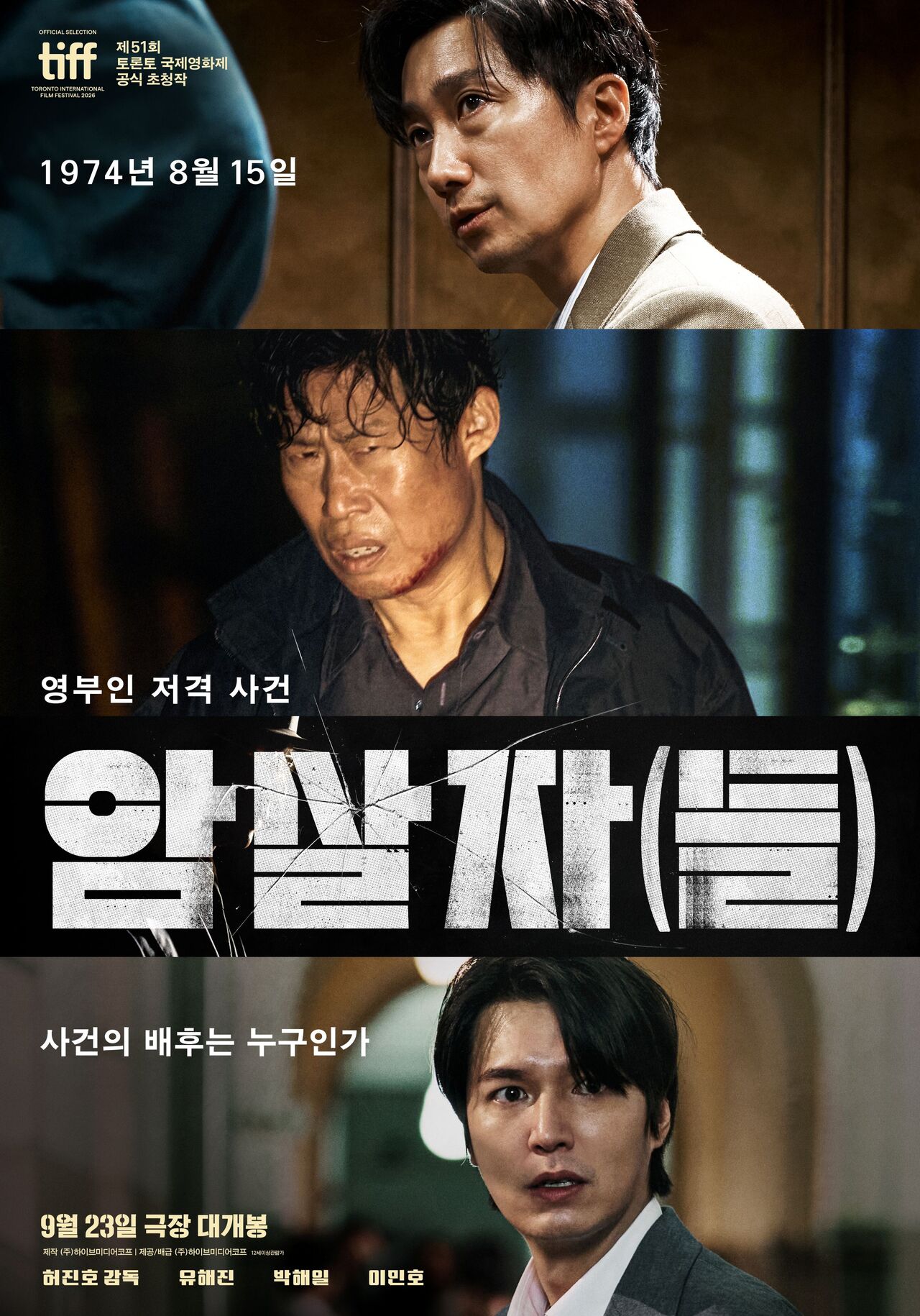
Key Points
- Director Hur Jin-ho's political thriller 'The Assassin(s)' topped the South Korean box office over the National Foundation Day holiday, drawing 590,853 viewers to surpass 2.41 million total admissions
- The movie ignited severe political pushback from conservative politicians and activists over its portrayal of the 1974 assassination of First Lady Yuk Young-soo, even prompting protests outside lead a
- Rather than dampening ticket sales, the public feud inspired curious moviegoers to head to theaters to evaluate the contentious historical narrative firsthand.
Summary Despite sparking heated political debate and accusations of historical distortion, director Hur Jin-ho’s political thriller film 'The Assassin(s)' [암살자(들)] reclaimed the number one spot at the South Korean box office over the National Foundation Day (Gaecheonjeol) holiday weekend. According to data released by the Korean Film Council (KOBIS), the film attracted over 590,000 moviegoers between October 2 and October 5, pushing its cumulative audience past 2.41 million admissions since its release on September 23.
The film delves into the highly sensitive and contested 1974 assassination of former First Lady Yuk Young-soo, the wife of South Korea’s third president, Park Chung-hee. By raising questions and dramatizing lingering conspiracy theories surrounding the event, the film drew swift condemnation from conservative politicians. Several lawmakers from the People Power Party accused the movie of defaming the deceased by implying that President Park himself orchestrated the assassination, threatening to summon director Hur Jin-ho as a witness to the National Assembly’s parliamentary audit, petitioning for an injunction to block screenings, and attempting to strip the film of its opening-night slot at the Singapore International Film Festival.
The controversy quickly escalated beyond the political arena into the public sphere. Conservative activist groups even staged a 50-person demonstration in front of the private residence of lead actor Yoo Hae-jin. In response, Yoo’s management agency issued a stern statement warning against defamation, harassment, and privacy violations, vowing to take legal measures to ensure the actor’s personal safety.
Rather than deterring audiences, however, the mounting controversy has produced a classic 'Streisand effect' at the box office. Korean moviegoers have flocked to theaters under a collective mindset of 'seeing and judging for themselves.' Even after briefly conceding the top rank to competitors like 'Tazza' and an animated feature during weekdays, 'The Assassin(s)' dominated the extended holiday weekend with an impressive seat-occupancy rate of 37.6% despite having fewer daily screenings. Modern Korean cinema has a long tradition of tackling turbulent contemporary history, and the runaway success of 'The Assassin(s)' demonstrates that South Korean moviegoers continue to favor provocative, thought-provoking political dramas over passive reception.
Sponsored · Ad