South Korea Demands North Korea Apologize at UN Over DMZ Landmine Blast as Pyongyang Rejects Blame
Key Points
- South Korea formally called on North Korea at the UN General Assembly to apologize for a September 21 DMZ landmine explosion that injured three soldiers, citing joint forensic findings with the UN Com
- Pyongyang fired back at the UN debate, dismissing the accusation as a 'clown show' and a clumsy tactic to disrupt its legitimate border fortification efforts, while refusing further negotiations with
- The sharp exchange underscores escalating tensions along the heavily fortified border and deepens the diplomatic divide as North Korea continues to label South Korea an outright hostile state.
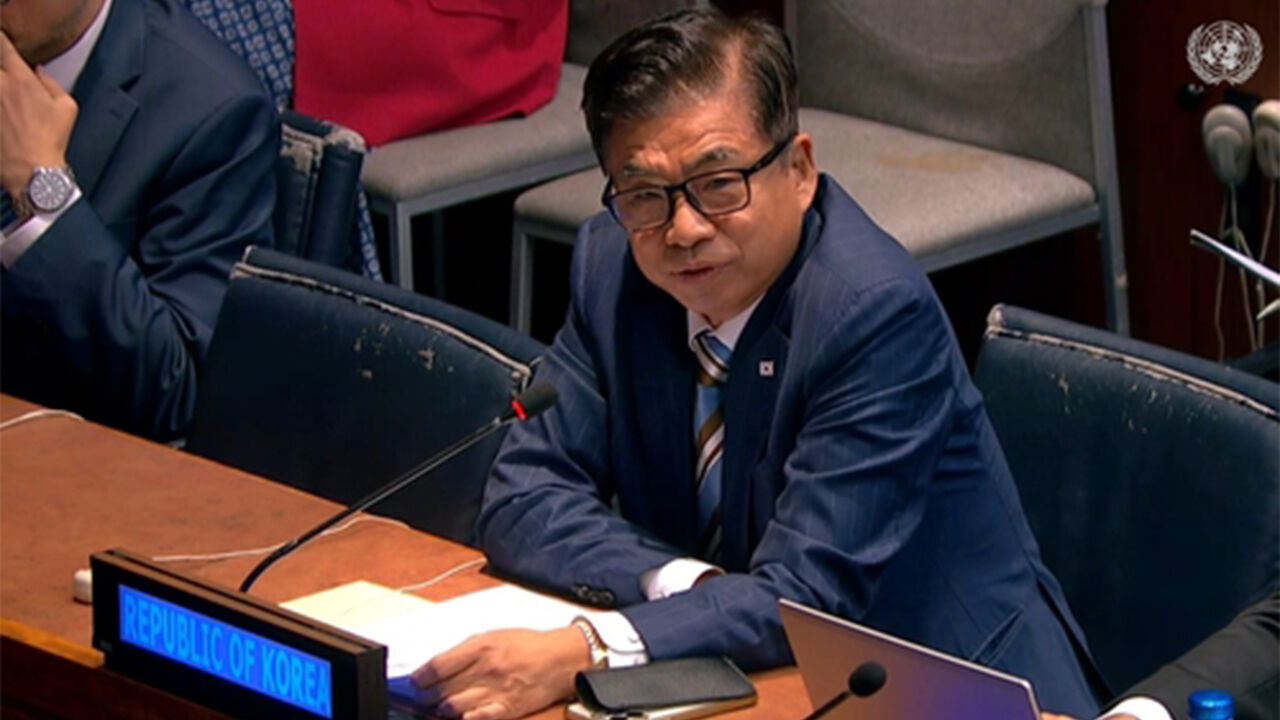
Summary A sharp diplomatic clash unfolded at the United Nations in New York as South Korea and North Korea engaged in a tense war of words over a recent landmine explosion inside the Demilitarized Zone (DMZ). Speaking at a general debate of the First Committee of the 81st UN General Assembly, South Korean Ambassador to the UN Cha Ji-hoon formally accused Pyongyang of breaching the 1953 Korean Armistice Agreement and demanded an official apology and accountability.
According to Ambassador Cha, a joint forensic investigation conducted by the South Korean military and the United Nations Command (UNC) confirmed that an explosion on September 21—which injured three South Korean soldiers—was caused by a landmine deliberately planted by North Korean forces south of the Military Demarcation Line (MDL). Calling the act a blatant violation of the armistice that ended active hostilities in the Korean War, Cha urged North Korea to halt provocative measures that escalate inter-Korean tensions and to return to dialogue to rebuild trust.
Exercising its right of reply, North Korea vehemently denied responsibility, characterizing Seoul's allegations as a "poor trick" and an "impure disruptive action." The North Korean representative claimed that its military activities along the border were legitimate sovereign measures aimed at fortifying its southern frontier against aggression, rather than deliberate attacks. The North Korean delegation also cited domestic South Korean remarks, specifically referencing Unification Minister Chung Dong-young's comment during a National Assembly audit where he noted it was premature to definitively classify the explosion as a targeted attack. The exchange echoed earlier remarks by Kim Yo-jong, the influential sister of North Korean leader Kim Jong-un, who mocked the incident via the Korean Central News Agency (KCNA) as a "self-staged clown show."
South Korea swiftly rebutted Pyongyang's denials through Counselor Ahn Ji-in, who reiterated that rigorous scientific analysis and UNC oversight conclusively proved North Korean culpability. In response, North Korea hardened its stance, reiterating its characterization of South Korea as a principal hostile state and declaring that it will no longer negotiate sovereign border matters with Seoul, vowing instead to defend its territory through sheer military force.
The incident highlights the fragile security landscape along the 250-kilometer DMZ, a heavily fortified buffer zone dividing the Korean Peninsula since the 1953 ceasefire. In South Korea, where the majority of young men fulfill mandatory military service along front-line posts, border safety and DMZ integrity remain intensely sensitive public concerns. The diplomatic spat at the UN First Committee—a body dedicated to disarmament and international security—also encompassed broader global friction, as Seoul condemned North Korea's ongoing nuclear and ballistic missile development alongside its deepening military cooperation with Russia, both of which violate UN Security Council resolutions.
Sponsored · Ad