South Korea Falls Short in Bid to Secure First Seat on the International Court of Justice
Key Points
- South Korea's candidate Paik Jin-hyun withdrew after the second round of voting for five International Court of Justice (ICJ) judge seats at the UN.
- Securing a seat on the World Court has been a premier diplomatic goal for South Korea to match its expanding footprint in international affairs.
- While South Korea has previously seated judges on the International Criminal Court and the Law of the Sea tribunal, the 15-member ICJ bench remains an unreached milestone.
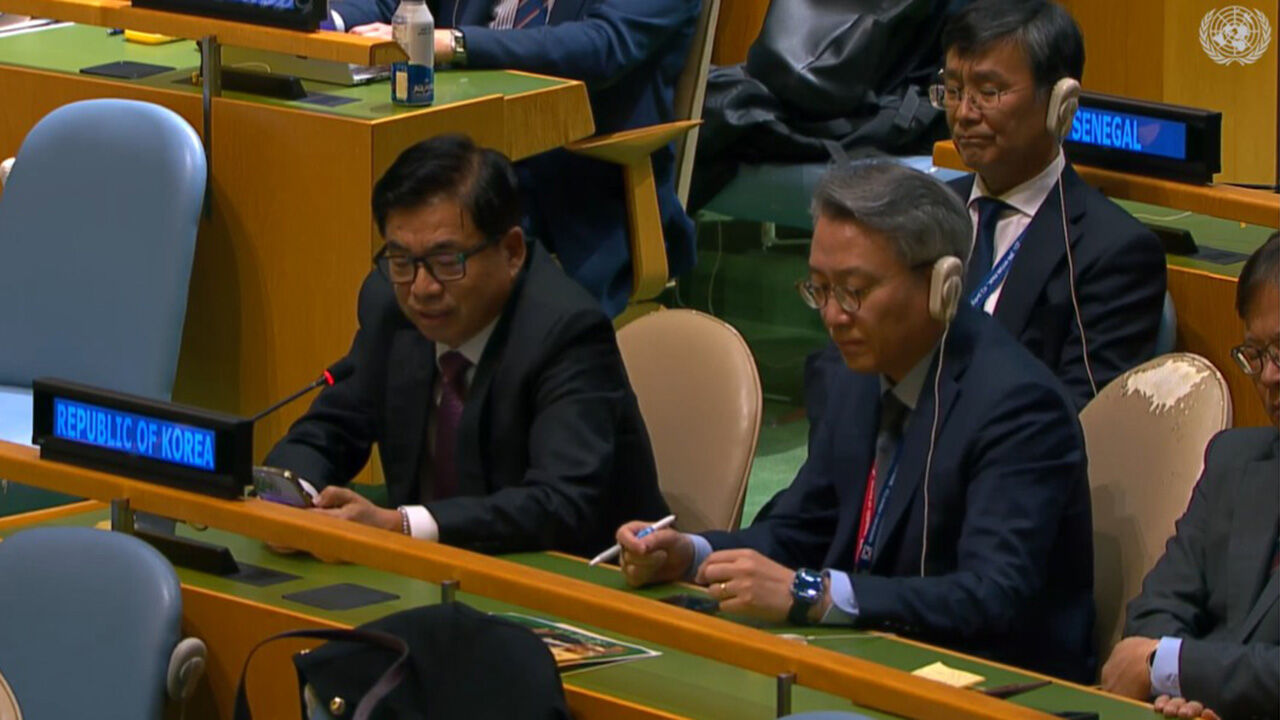
Summary South Korea's longstanding diplomatic bid to seat its first-ever judge on the International Court of Justice (ICJ) ended in disappointment at the United Nations headquarters in New York. Former International Tribunal for the Law of the Sea (ITLOS) President Paik Jin-hyun, who represented South Korea in the high-stakes election, withdrew his candidacy after the second round of voting.
The election, conducted simultaneously by the UN General Assembly and the Security Council, saw eight nations competing for five coveted judicial seats with terms starting in February. Candidates from Singapore, Jordan, France, and the United Kingdom secured the required absolute majority in both bodies during the very first round. Although Paik mounted a competitive challenge and fell just shy of the required threshold in round one, the shifting dynamics during round two led the South Korean delegation to make the strategic decision to withdraw his bid, clearing the way for Kenya’s candidate to claim the final seat in the third round.
Founded in 1945, the ICJ—often referred to as the World Court—is the principal judicial organ of the United Nations, tasked with adjudicating legal disputes between sovereign states and issuing advisory opinions. To preserve institutional continuity, its bench of 15 judges serves staggered nine-year terms, with five seats contested every three years. For South Korea, securing representation on this esteemed body has been a major foreign policy objective. While the nation has previously placed distinguished jurists on other international bodies—such as ITLOS and the International Criminal Court (ICC)—the ICJ bench has remained an elusive milestone.
South Korea's diplomatic corps, led by its Permanent Mission to the UN, had waged an extensive global campaign in New York to rally support for Paik, whose judicial pedigree includes serving as an ITLOS judge from 2009 to 2023 and presiding over the tribunal between 2017 and 2020. Despite the concerted effort to match the country's growing stature in international law with a presence on the World Court, the outcome underscores the intense geopolitical competition inherent in UN judicial elections.
Sponsored · Ad